Rashes
-
Same-week
Urgent evaluations available
-
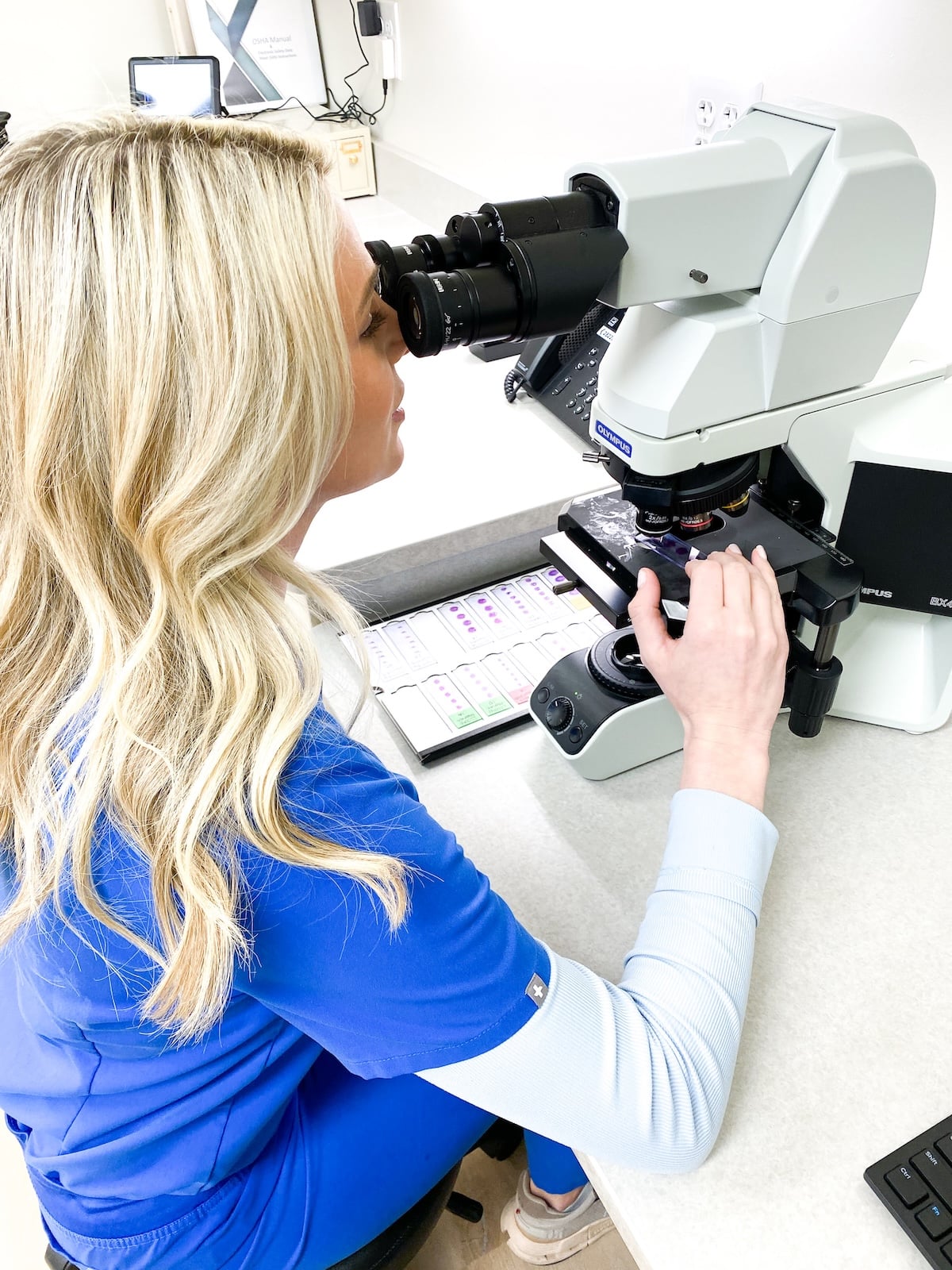
Biopsy
On-site for definitive diagnosis
-
15% to 30%
of all children are affected by eczema
-
2% to 10%
of all adults are affected by eczema
UNDERSTANDING Rashes
The Diagnostic Path
Beyond the Surface of Irritated Skin
A “rash” is a vague and frustrating term for skin that has suddenly become red, itchy, or painful. Clinically known as a Cutaneous Eruption, a rash is not a single disease, but a visible manifestation of an underlying biological trigger—ranging from external allergens to internal systemic inflammation. At Inverness Dermatology, we provide a clinical path to relief, utilizing a variety of treatment options.
The Anatomy of an Eruption
A rash occurs when the skin’s immune system detects a threat—whether it’s a chemical irritant, a viral pathogen, or an autoimmune “false alarm”—it releases inflammatory mediators like histamines and cytokines. This leads to vasodilation (redness), localized swelling (hives or papules), and the disruption of the skin barrier (scaling or weeping). Because different rashes involve different layers of the cutaneous architecture, a visual “spot-check” is rarely enough; a professional evaluation is required to identify the exact cellular pathway involved.
CLINICAL DETAILS
A Breakdown of Rashes
-
Allergic Contact Dermatitis
Delayed hypersensitivity reaction to a specific allergen (nickel, fragrances, preservatives, latex).
-
Irritant Contact Dermatitis
Direct skin damage from chemical irritants — detergents, solvents, frequent hand washing.
-
Drug Rash (SDRIFE/DRESS)
Medication-induced eruptions ranging from morbilliform exanthem to severe reactions (DRESS, SJS). Requires urgent evaluation.
-
Urticaria (Hives)
Transient wheals and angioedema driven by histamine release.
-
Pityriasis Rosea
Self-limiting viral exanthem with herald patch followed by "Christmas tree" distribution. Resolves in 6–12 weeks.
-
Tinea (Ringworm)
Superficial fungal infection of skin. Highly treatable with topical or oral antifungals.
-
Shingles (Herpes Zoster)
Reactivation of varicella-zoster virus along a dermatome — painful, unilateral vesicular rash.
-
Autoimmune Rashes
Lupus, dermatomyositis, bullous pemphigoid, pemphigus.
EVIDENCE-BASED CARE
Our Treatment Approach
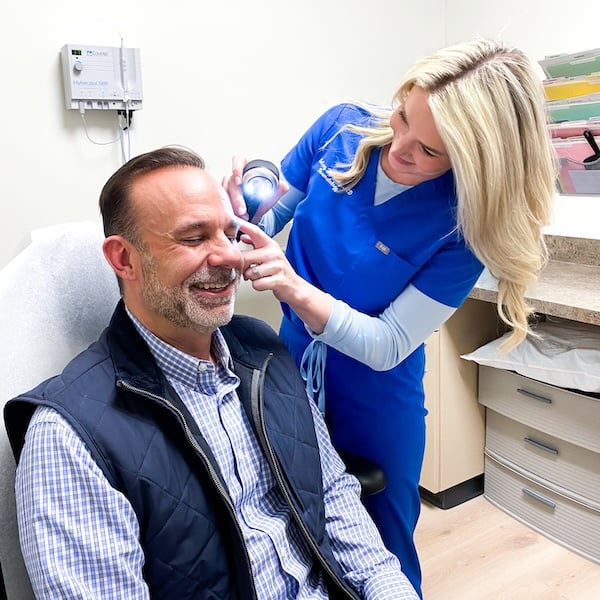
Board-certified dermatologists are specially trained to diagnose and provide customized treatments.
You should see a dermatologist if a rash:
-
Lasts longer than one to two weeks
-
Is worsening or spreading rapidly
-
Causes significant itching, pain, or burning
-
Keeps coming back
-
Does not improve with over-the-counter treatments
An Inverness Dermatology provider can accurately diagnose the rash and recommend targeted treatment rather than guesswork.
Rashes FAQ
Clinical answers from our board-certified dermatologists.
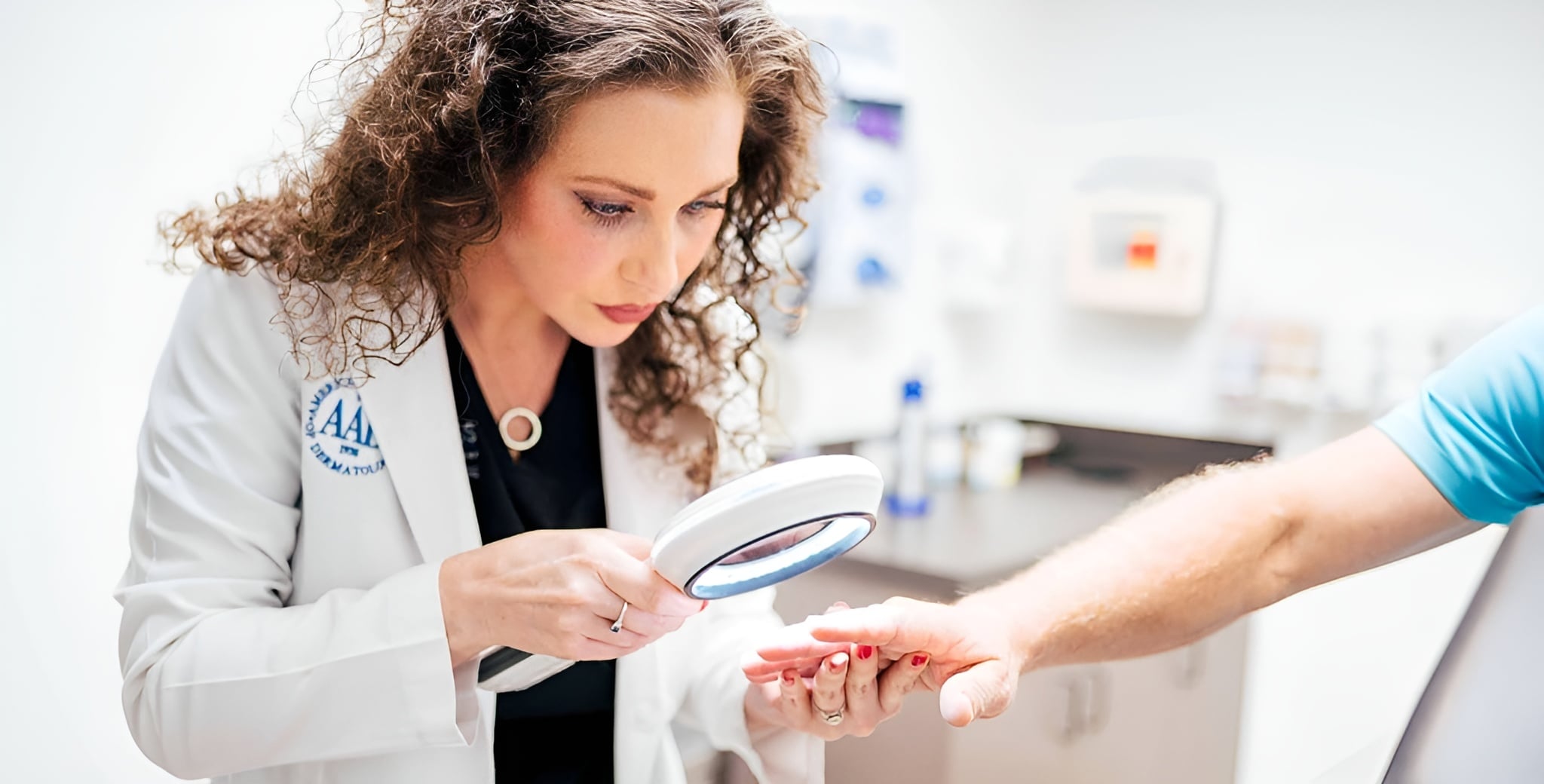
A dermatologist can determine the exact cause of your rash and create a personalized treatment plan. This may include prescription medications, lifestyle guidance, allergy identification, or treatment for infections or inflammatory skin conditions. For patients in Bozeman, MT, seeing a board-certified dermatologist provides clarity, faster relief, and confidence in your care.
You should see a dermatologist if a rash:
-
Lasts longer than one to two weeks
-
Is worsening or spreading rapidly
-
Causes significant itching, pain, or burning
-
Keeps coming back
-
Does not improve with over-the-counter treatments
A board-certified dermatologist can accurately diagnose the rash and recommend targeted treatment rather than guesswork.
Rashes can develop for many reasons, including allergies, skin conditions like eczema or psoriasis, infections, reactions to medications, or environmental exposures such as plants, chemicals, or extreme weather. Because different rashes can look very similar, identifying the exact cause often requires medical evaluation.
Many rashes are mild and temporary, but some can signal an underlying medical condition that needs treatment. Rashes that are painful, spreading, persistent, or associated with other symptoms (such as fever or swelling) should not be ignored.
Some mild rashes improve with gentle skin care and avoiding known triggers. However, using the wrong creams or medications can sometimes make a rash worse. If you’re unsure what’s causing your rash, professional evaluation is the safest way to ensure proper healing.