Rosacea
-
16M
Americans with rosacea
-
4 Subtypes
Requiring different treatments
-
Fair Skin
Most commonly affected
UNDERSTANDING Rosacea
Restoring Calm to Reactive Skin
Do you find yourself “flushing” after a hot coffee, a spicy meal, or a workout in Birmingham? For many, Rosacea starts as a temporary glow that eventually turns into a permanent redness that no amount of concealer can hide. If your skin feels persistently hot, sensitive, or “angry,” you aren’t just dealing with sensitive skin—you are experiencing a vascular condition that requires a clinical solution.
The Science of the “Flush”
Rosacea is a complex inflammatory disorder primarily affecting the blood vessels of the face. When these vessels become hyper-reactive, they dilate and eventually lose their ability to constrict, leading to visible spider veins known as telangiectasia. In some cases, this inflammation also produces acne-like bumps, often referred to as Papulopustular Rosacea.
Targeted Vascular Protocols
At Inverness Dermatology, we differentiate between the vascular (ICD-10: L71.9) and inflammatory (ICD-10: L71.8) subtypes of Rosacea to tailor your treatment plan.
CLINICAL DETAILS
A Breakdown of Rosacea
-
Erythematotelangiectatic (ETR)
Persistent central facial redness, flushing, and visible blood vessels. Most common subtype.
-
Papulopustular
Redness with acne-like breakouts (papules & pustules). Often confused with acne — requires different treatment.
-
Phymatous
Skin thickening, enlarged pores, and irregular surface texture — most commonly affects the nose (rhinophyma).
-
Ocular Rosacea
Affects the eyes and eyelids: redness, dryness, irritation, and a gritty sensation. Often co-occurs with other subtypes.
-
Granulomatous Rosacea
Persistent with firm nodules.
EVIDENCE-BASED CARE
Our Treatment Approach
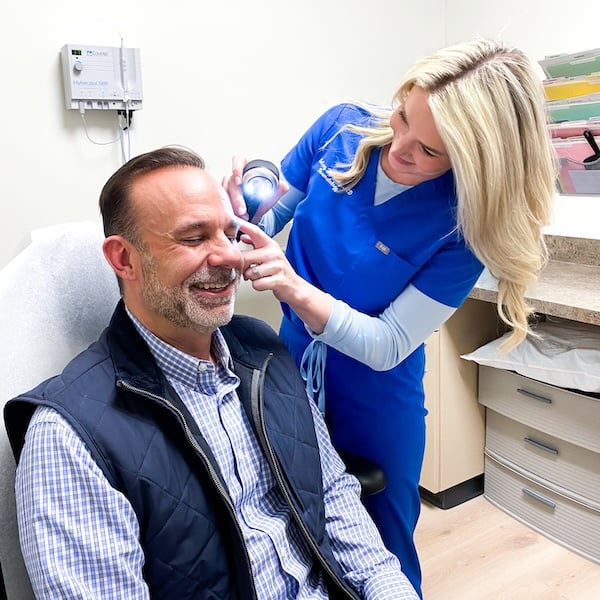
Board-certified dermatologists are specially trained to diagnose and provide customized treatments.
When to see a dermatologist
If you experience persistent facial redness, frequent flushing, or irritation that doesn’t improve with over-the-counter products, it’s a good idea to seek evaluation.
Rosacea FAQ
Clinical answers from our board-certified dermatologists.
Rosacea is a chronic inflammatory skin condition that commonly affects the face, causing redness, flushing, visible blood vessels, and sometimes acne-like bumps. Symptoms may flare in response to triggers such as heat, stress, sun exposure, or certain skin care products.
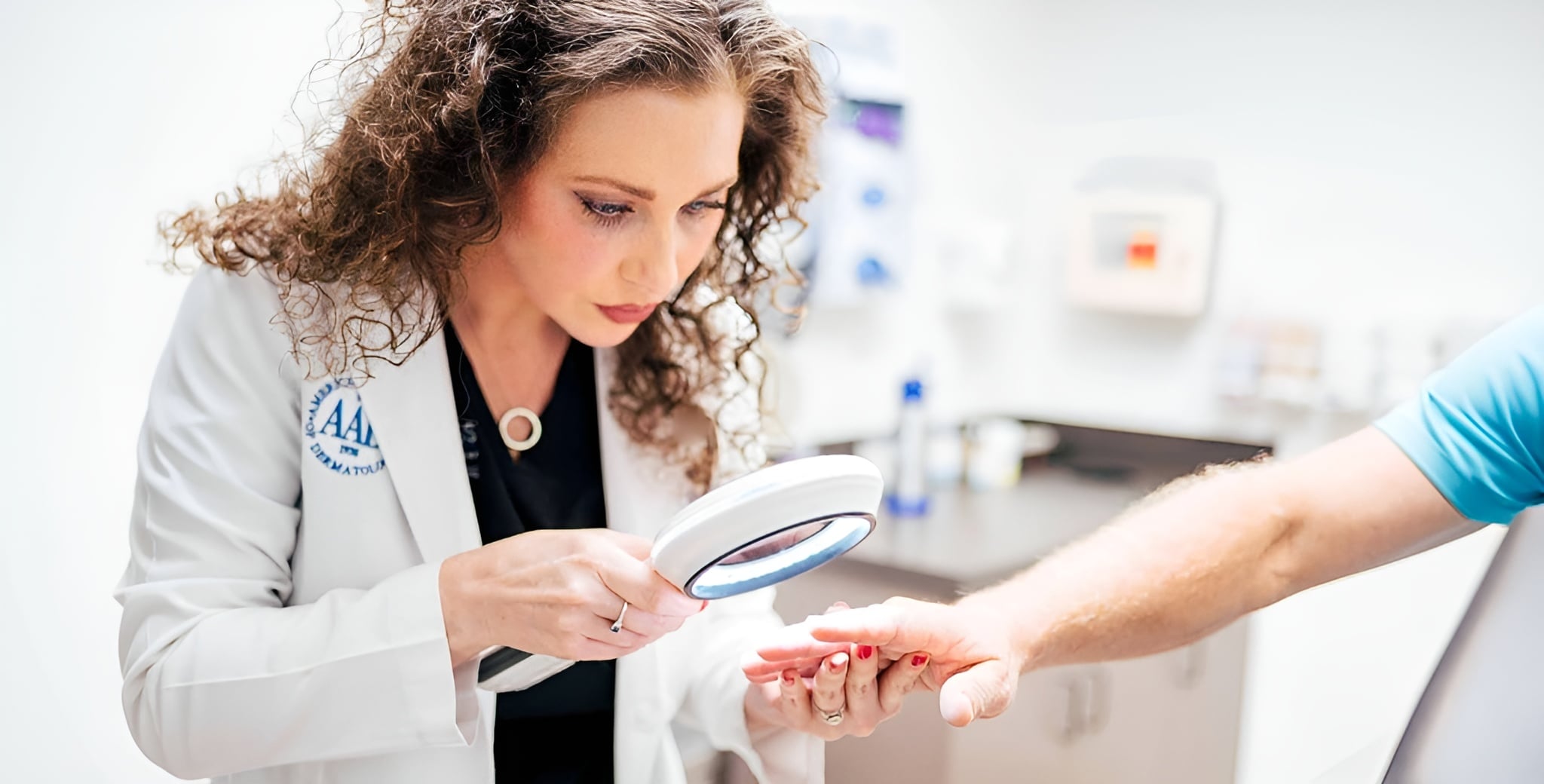
No. While rosacea may resemble acne or general skin sensitivity, it is a distinct condition that requires a different treatment approach. Our dermatology providers are trained to accurately diagnose rosacea and distinguish it from similar skin concerns.
Rosacea cannot be cured, but it can be effectively managed. With professional care, many patients experience fewer flare-ups, reduced redness, and improved skin comfort over time.
Treatment depends on the type and severity of rosacea. Options may include topical medications, oral therapies, laser or light-based treatments, and personalized skin care guidance. Your dermatology provider will recommend a plan tailored to your specific symptoms and triggers.
If you experience persistent facial redness, frequent flushing, or irritation that doesn’t improve with over-the-counter products, it’s a good idea to seek evaluation.