Nail Disorders
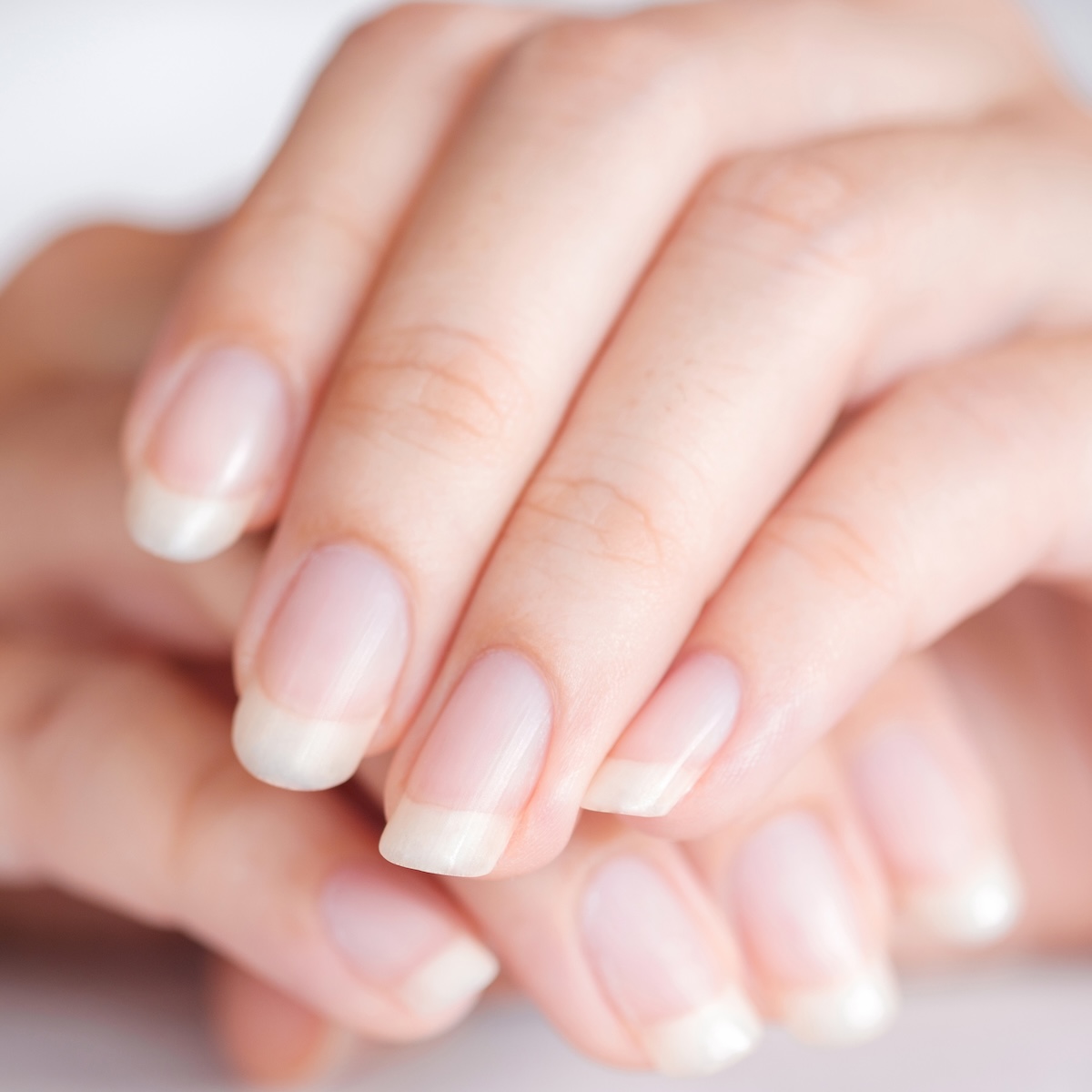
Changes in the appearance, color, or growth of your nails can often signal an underlying medical condition. Nail disorders may affect the fingernails or toenails and can result from infections, skin conditions, injury, or systemic health issues.
10%
of the general population has some form of nail disorder.
50% to 60%
occurences are fungal infections
50%
of patients report feeling embarrassed or socially restricted
2024-2026
nail-specific concerns reached a peak
UNDERSTANDING NAIL DISORDERS
Restoring Nail Health: Beyond the Surface of Discoloration and Thickening
We often take our nail health for granted until a change in color, texture, or shape makes us want to hide our hands or feet. For many in Birmingham and Hoover, what starts as a small yellow spot or a slightly brittle edge can quickly evolve into nails that are thickened, painful, or difficult to trim. If you’ve tried over-the-counter lacquers with no success, you aren’t alone. At Inverness Dermatology, we understand that nail changes are often a sign of a deeper biological issue that requires a professional, medical-grade solution.
The Complexity of the Nail Unit
While it may look like a simple hard surface, the nail is a complex organ system consisting of the nail plate, the matrix (where the nail grows), and the hyponychium (the seal under the nail). When a fungal infection—clinically known as Onychomycosis—takes hold, it doesn’t just sit on top; it lives deep within the nail bed and matrix. Other issues, such as Nail Dystrophy or Psoriasis of the nail, can mimic fungus but require entirely different clinical approaches to restore the nail’s integrity.
Diagnostic Precision for Onychosis
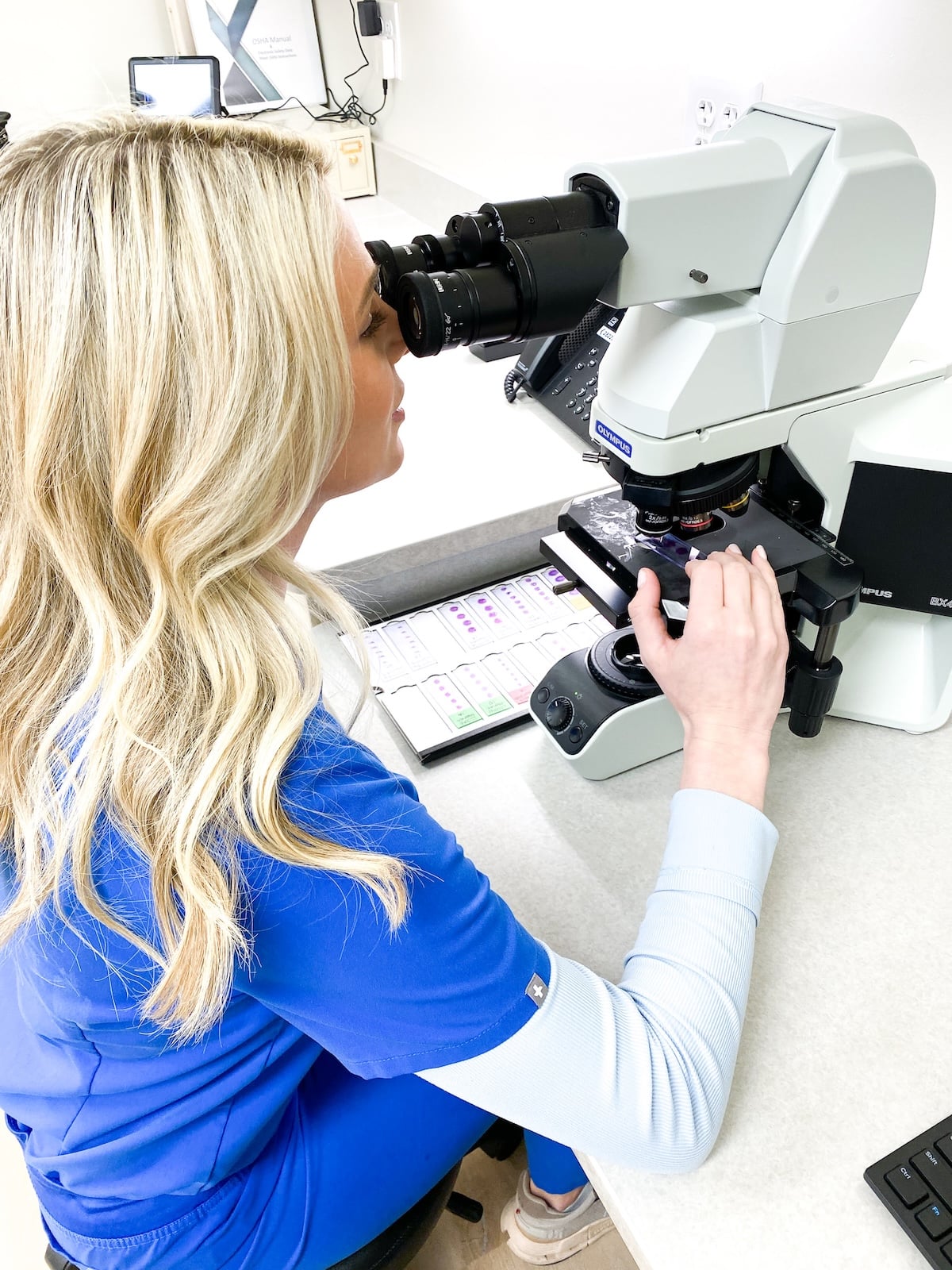
At Inverness Dermatology, we don’t guess when it comes to your health. We evaluate nail disorders using advanced diagnostic markers.
CLINICAL DETAILS
A Breakdown of Nail Disorders
Fungal Infection
Thickened, yellow, or brittle nails; most common in toenails. (Onychomycosis)
Ingrown Nail
The side of the nail grows into the skin, causing pain and infection. (Onychomycosis)
Nail Psoriasis
“Pitting” (tiny dents), “oil spots” (yellow-brown discoloration), and crumbling. (Psoriatic Nails)
Nail Fold Infection
Redness and swelling of the skin around the nail; can be acute (bacterial) or chronic (fungal/irritant). (Paronychia)
Nail Biting
Chronic biting that can lead to permanent shortening of the nail bed and secondary infections. (Onychophagia)
EVIDENCE-BASED CARE
Our Treatment Approach
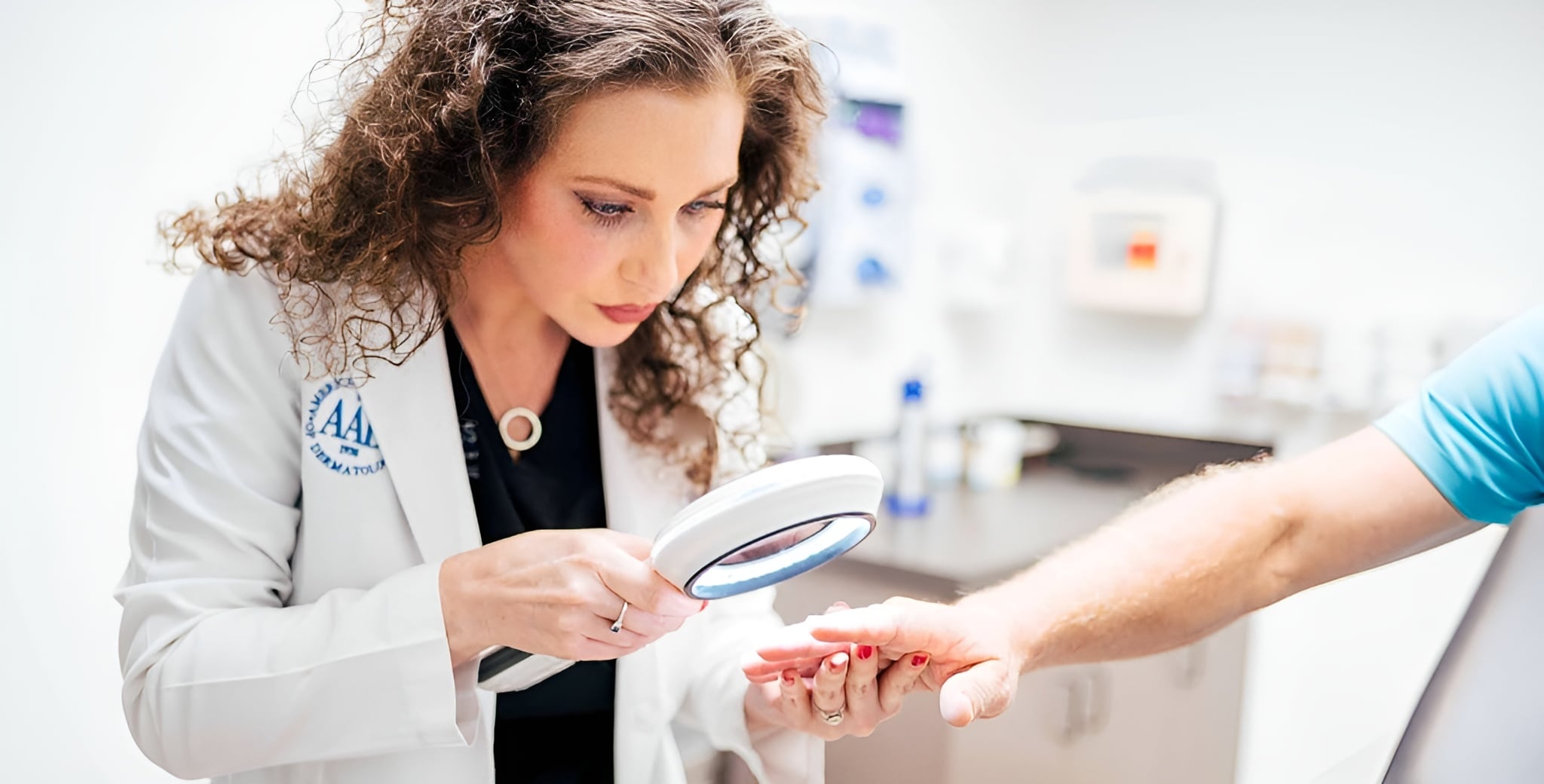
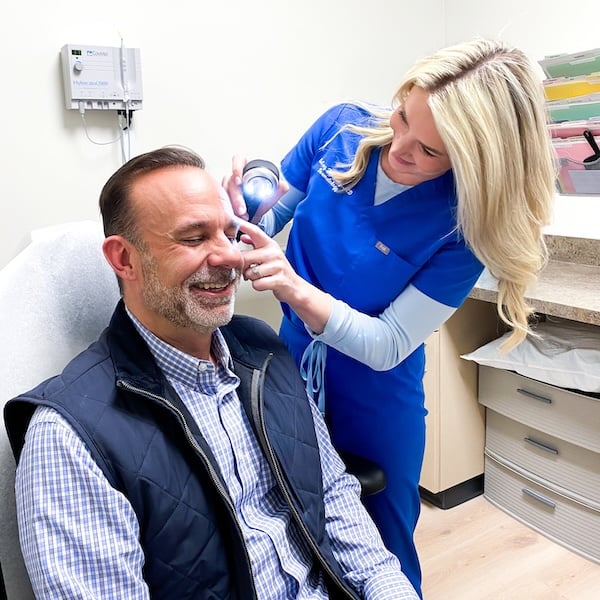
Board-certified dermatologists are specially trained to diagnose and provide customized treatments.
Nail Disorders FAQ
Clinical answers from our board-certified dermatologists.
Are nail disorders common?
Are white spots on my nails a sign of calcium deficiency?
Why do my nails have vertical ridges?
Can lifestyle changes help?
When is a nail change serious?
Accepted insurance providers