Lentigines
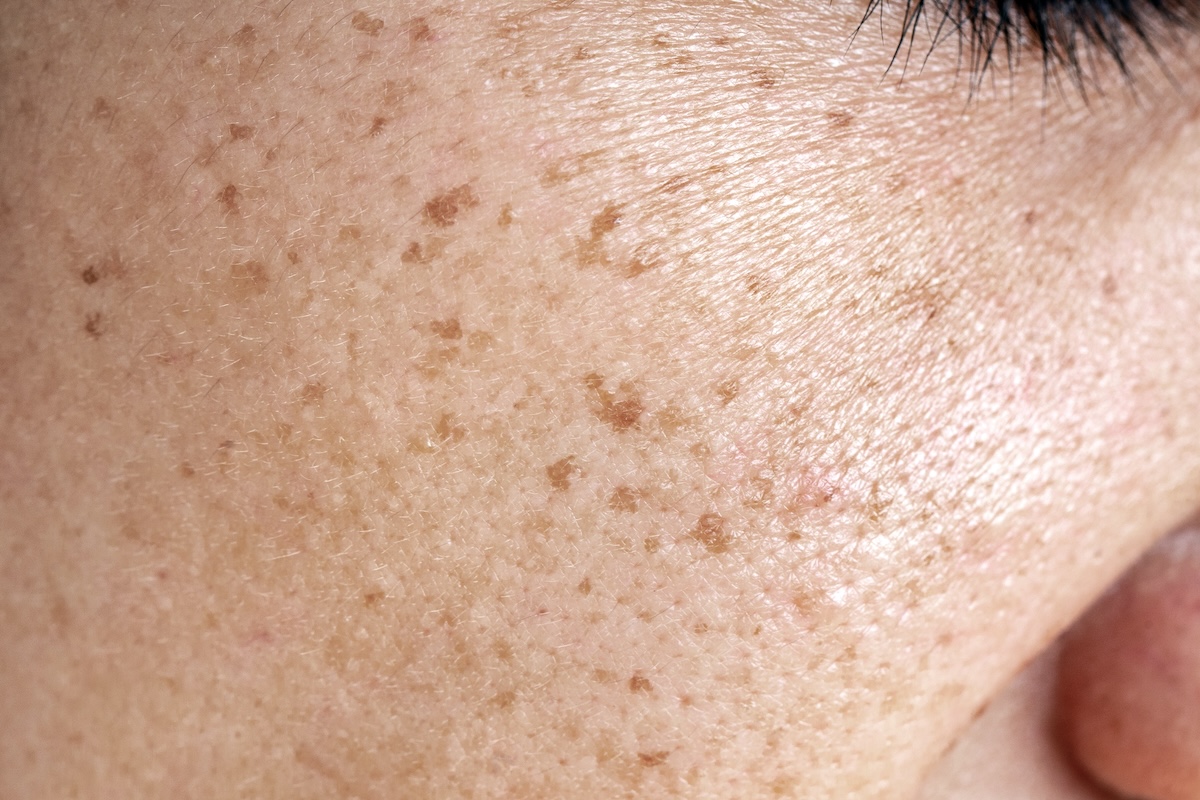
Whether they are called age spots, liver spots, or freckles, Lentigines are permanent structural changes in the skin caused by a proliferation of pigment cells.
90%
solar lentigines in fair-skinned individuals 60+
Permanent markers
lentigines do not fluctuate with the seasons
30 and under
clinical data shows an increasing prevalence of lentigines
80%
are located on the face, the back of the hands, and the upper trunk
UNDERSTANDING LENTIGINES
Precision Pigment Care: Beyond the Surface of “Age Spots”
For many residents in Birmingham and Hoover, the appearance of small, darkened spots on the hands, face, and shoulders is often dismissed as an inevitable sign of aging. Clinically known as Lentigines, these spots are more than just “freckles”—they are localized proliferations of melanocytes resulting from cumulative environmental exposure. At Inverness Dermatology, we move beyond over-the-counter “brightening” creams to provide a clinical path to diagnosis and pigment clearance that prioritizes both aesthetic results and the long-term health of your skin.
The Anatomy of a Lentigo
Unlike common freckles (ephelides), which darken with sun exposure and fade in the winter, a Lentigo is a permanent structural change in the skin. This condition is a disorder of Melanocytic Proliferation, where the actual number of pigment-producing cells increases at the dermal-epidermal junction. This leads to a stable, well-defined area of hyperpigmentation that does not fluctuate with the seasons. Whether they are Solar Lentigines (induced by UV) or Lentigo Simplex (unrelated to sun), these lesions require targeted medical intervention to be successfully reversed.
Targeted Pigment Protocols at Inverness Dermatology
We categorize Lentigines (ICD-10: L81.4) by their distribution and cellular characteristics to ensure the most effective medical intervention.
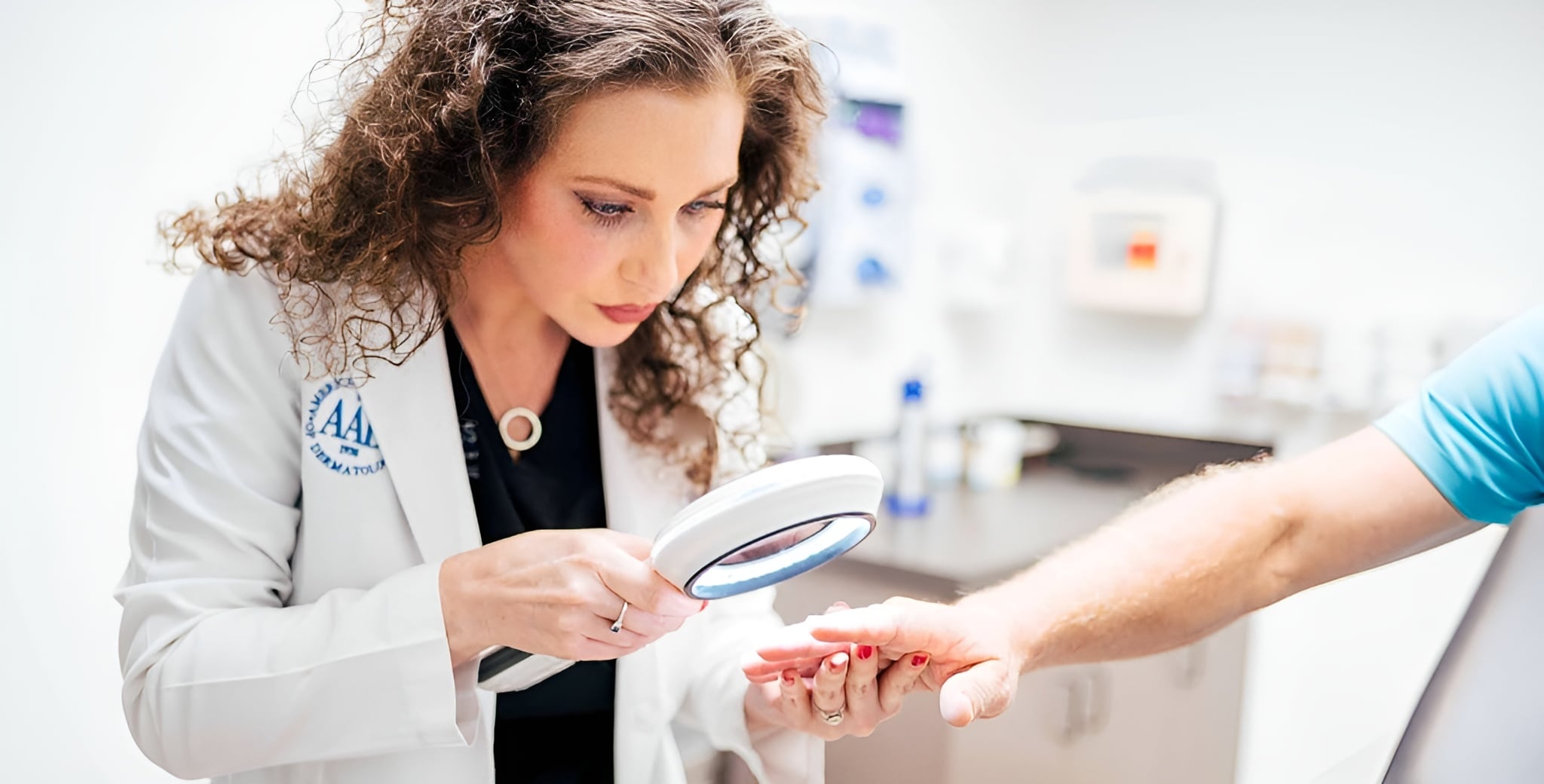
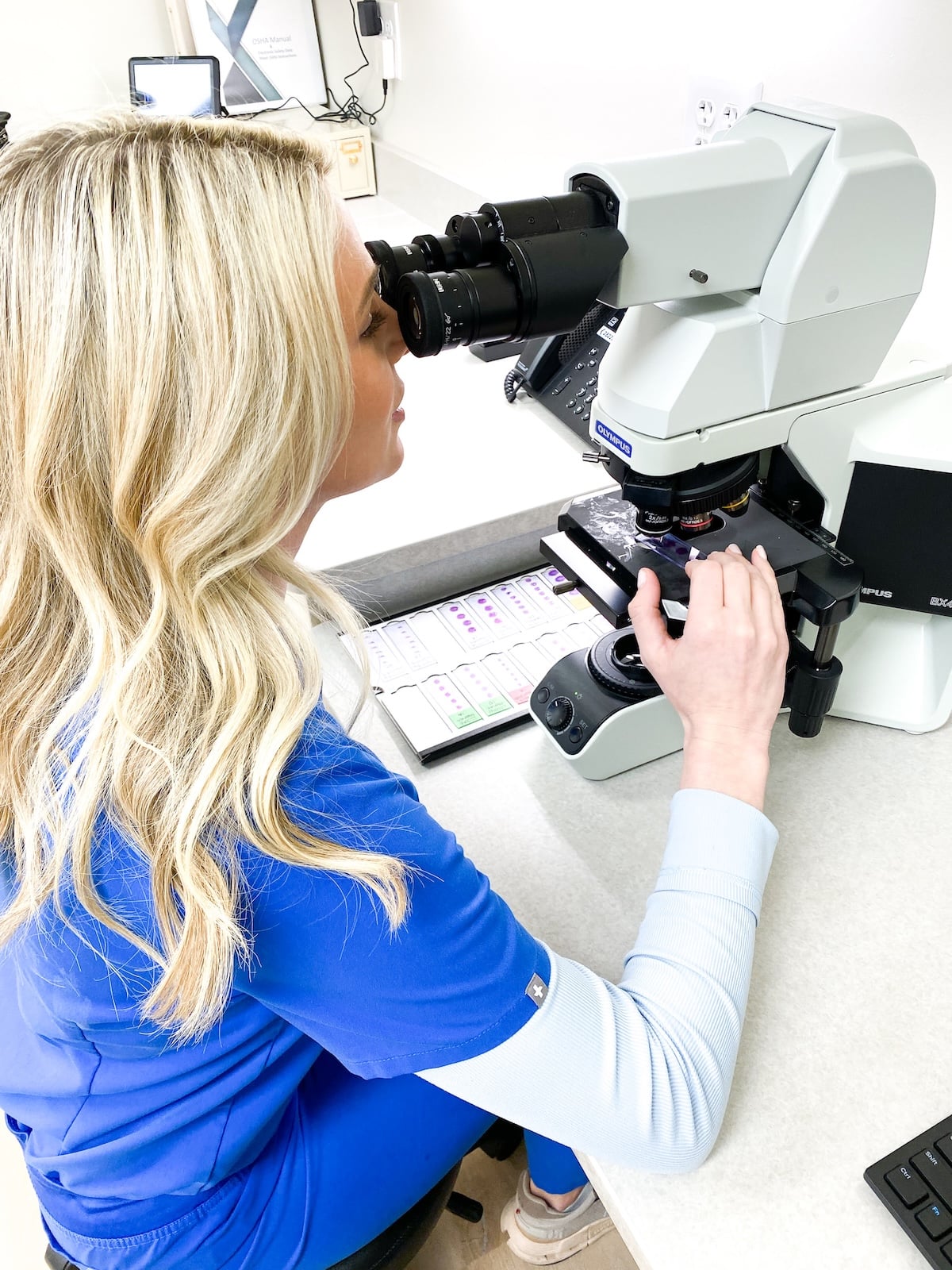
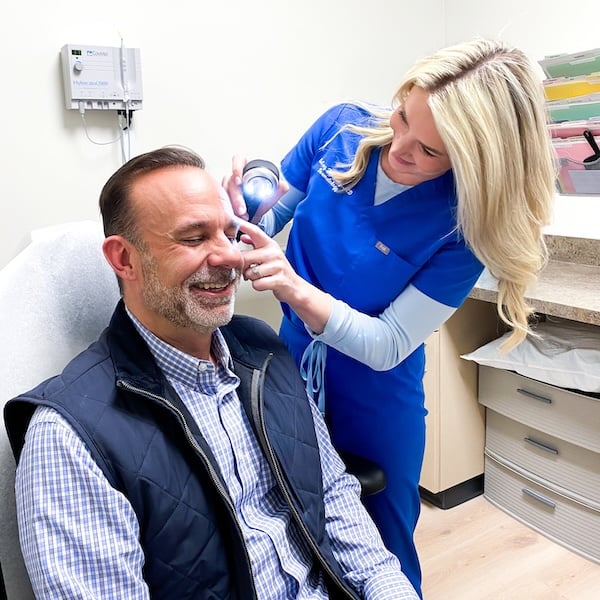
Our team focuses on Selective Photothermolysis. Because the pigment in a lentigo is concentrated, we can utilize specific wavelengths of light to fragment the excess melanin without damaging the surrounding healthy tissue. A critical pillar of our trust promise is Diagnostic Screening. Before any cosmetic treatment, our board-certified dermatologists rigorously screen every lesion to ensure it is a benign lentigo and not a more serious precursor, such as lentigo maligna.
CLINICAL DETAILS
A Breakdown of Lentigines
Solar Lentigo
Well-defined, tan-to-dark brown macules. These are the classic “age spots” found on sun-exposed areas like the face, dorsal hands, and shoulders. Characterized by “dirty” rete ridges (elongations of the epidermis) that are packed with melanin. They do not fade in the winter.
Lentigo Simplex
Usually appears in childhood or adolescence as a single, isolated, dark brown or black spot. They can appear anywhere on the body, including the palms, soles, and mucosal surfaces. Unlike solar lentigines, these do not show the same “club-shaped” rete ridge elongation and are typically smaller (under 5mm).
Labial & Mucosal Melanotic Macule
A flat, dark brown-to-black spot found on the lower lip (labial) or the genital mucosa. While benign, these require careful monitoring by a board-certified dermatologist to distinguish them from mucosal melanoma.
Ink-Spot Lentigo
Highly irregular, dark brown macules that appear in areas treated with light therapy. These often exhibit more cellular atypia (unusual cell shapes) than standard solar lentigines and require long-term surveillance.
PUVA Lentigo
A flat, common mole that typically appears darker and more uniform than a lentigo.
Radiation Lentigo
Occurs exactly within the previous radiation field. These spots are often associated with other signs of chronic radiation dermatitis, such as thinning skin or visible vessels (telangiectasia).
EVIDENCE-BASED CARE
Our Treatment Approach
Board-certified dermatologists are specially trained to diagnose and provide customized treatments.
Lentigines FAQ
Clinical answers from our board-certified dermatologists.
Are “liver spots” actually related to my liver health?
Is a lentigo a form of skin cancer?
Will my spots return after laser treatment?
How does a lentigo differ from a common freckle?
Accepted insurance providers