Mohs Surgery Treatment
in Birmingham, AL
UNDERSTANDING Mohs Surgery
Precision Skin Cancer Treatment
with High Cure Rates
Mohs surgery offers one of the highest success rates of any skin cancer treatment available.
Because the surgeon examines the tissue during the procedure, Mohs surgery can confirm that all cancer cells have been removed before reconstruction begins.
Key benefits of Mohs surgery include:
- Up to 99% cure rate for many primary skin cancers
- Precise removal of cancer while preserving healthy tissue
- Immediate microscopic analysis during surgery
- Excellent cosmetic outcomes, especially on the face
This meticulous approach allows dermatologic surgeons to treat skin cancer with exceptional accuracy and confidence.
Why Patients Choose Mohs Surgery
Patients often choose Mohs surgery when skin cancer occurs in areas where preserving healthy skin is important or when the cancer has a higher risk of recurrence.
The First Line of Defense: Prevention and Early Detection
While Mohs micrographic surgery offers the highest cure rate for many forms of skin cancer, the most effective tool in your skincare arsenal is early detection. Catching skin cancer in its initial stages often means a simpler, less invasive treatment and a smoother recovery.
Performing regular self-examinations at home—at least once a month—allows you to become familiar with the baseline of your skin. By knowing what is normal for your body, you are much better equipped to spot new growths or changes to existing spots before they develop into a serious concern.
When examining your skin, it is vital to know exactly what to look for. Dermatologists recommend using the ABCDE method to help identify warning signs of melanoma and other highly abnormal skin lesions:
CLINICAL DETAILS
Mohs surgery is best suited for:
-
1
Basal cell carcinoma
This is the most frequently diagnosed skin cancer worldwide. Mohs is exceptionally effective for BCCs, particularly those on the face or those with aggressive subtypes (such as morpheaform, infiltrative, or micronodular).
-
2
Squamous cell carcinoma
The second most common skin cancer. Because SCC carries a slightly higher risk of spreading (metastasis) than BCC, ensuring clear margins through Mohs surgery is critical, especially for fast-growing or high-risk lesions.
-
3
Melanoma In Situ (Lentigo Maligna)
This is an early-stage melanoma confined to the outermost layer of the skin (the epidermis). Surgeons often use a modified technique called "Slow Mohs," where the tissue is sent for further pathology lab tests.
-
4
Microcystic Adnexal Carcinoma (MAC)
A rare, locally aggressive sweat gland tumor most commonly found on the head and neck. It often exhibits deep, hidden roots.
-
5
Sebaceous Carcinoma
A rare and aggressive cancer that arises from the oil-producing glands in the skin, frequently occurring on the eyelids.
MOHS SURGERY VISUALIZED
Layer by Layer: How Mohs Surgery Works
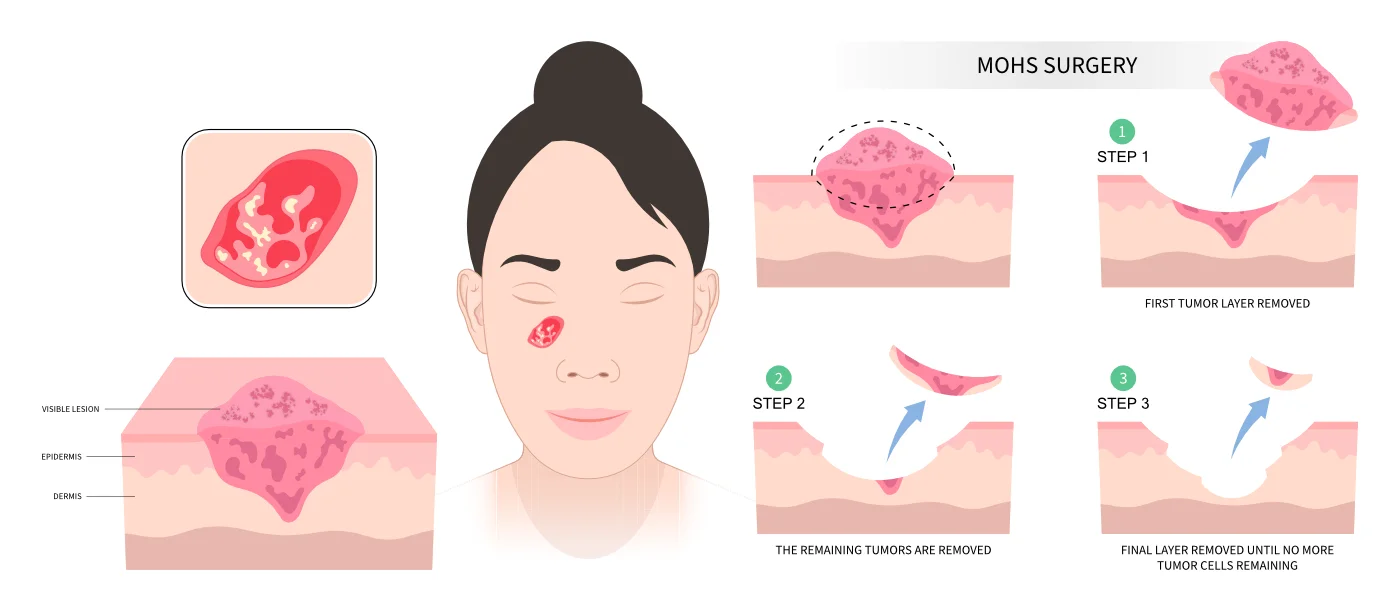
Mohs surgery is uniquely precise, targeting only the cancerous “roots” while sparing as much healthy skin as possible. This meticulous, layer-by-layer approach ensures the smallest possible surgical footprint.
To complement this precision, Dr.Marks and Dr. Kennedy utilizes advanced reconstruction techniques to repair the site. His expertise in aesthetic closure focuses on preserving natural contours and minimizing scarring, ensuring your path to being cancer-free is matched by a seamless recovery.
EVIDENCE-BASED CARE
Our Treatment Approach
Board-certified dermatologists are specially trained to diagnose and provide customized treatments.
How Mohs Treatment Works
Mohs surgery is performed in stages during a single visit.
The process typically includes:
-
Precise removal of a thin layer of tissue from the affected area
-
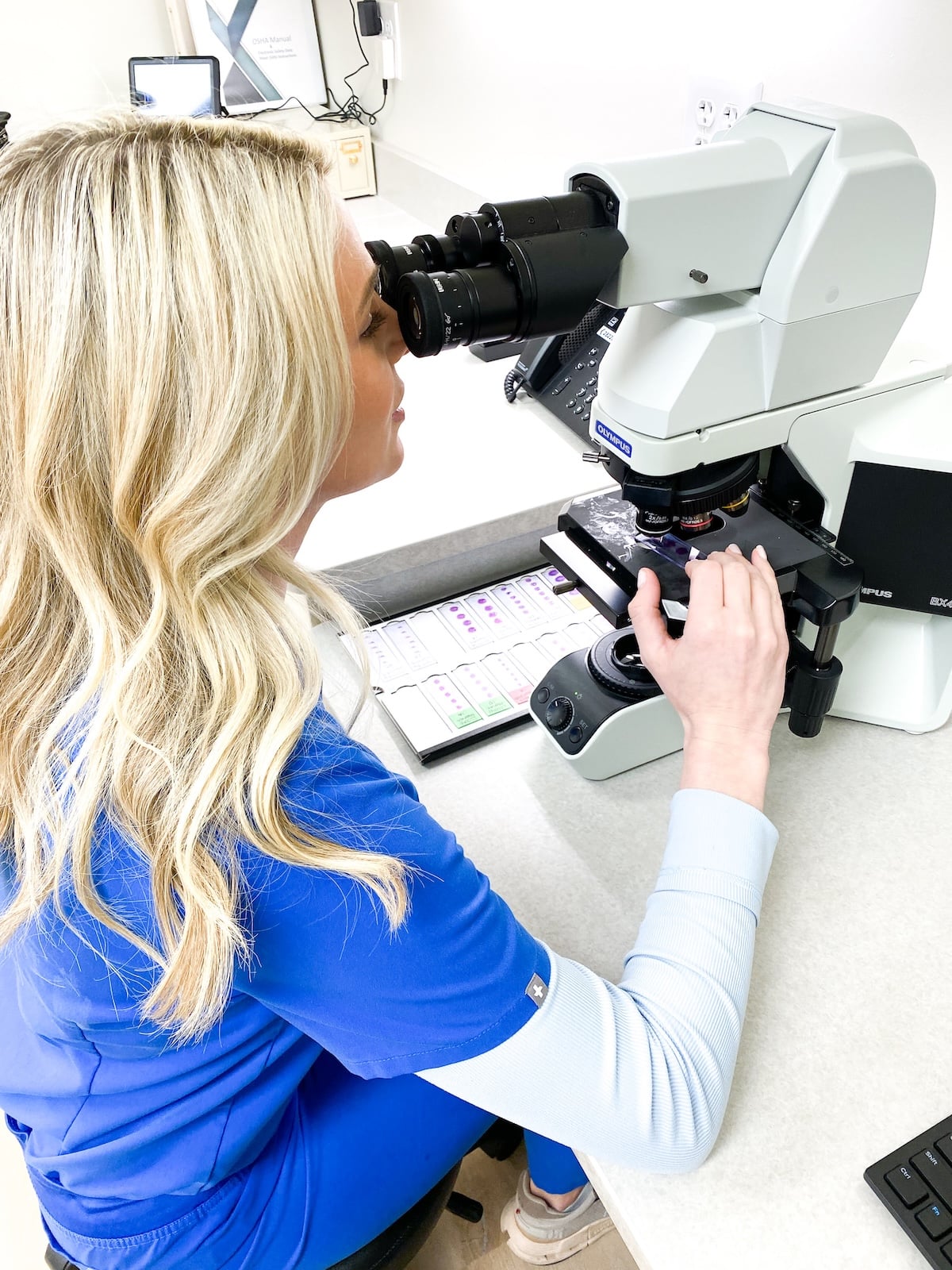
Immediate microscopic examination of the tissue in an on-site laboratory
-
Mapping of any remaining cancer cells to guide further removal if needed
-
Additional layers removed only where cancer remains
This process continues until no cancer cells are detected.
Because each layer is examined immediately, Mohs surgery ensures that all cancer is removed before reconstruction begins.
What to Expect During Mohs Surgery
Mohs surgery is performed as an outpatient procedure using local anesthesia.
- Local numbing of the treatment area
- Removal of a thin layer of tissue
- A short waiting period while the tissue is examined under a microscope
- Additional stages if necessary to ensure all cancer cells are removed
Most procedures are completed within several hours. Once the cancer has been fully removed, the surgeon will discuss the best approach to repair the area to support optimal healing and cosmetic results.
Mohs Surgery FAQ
Clinical answers from our board-certified dermatologists.
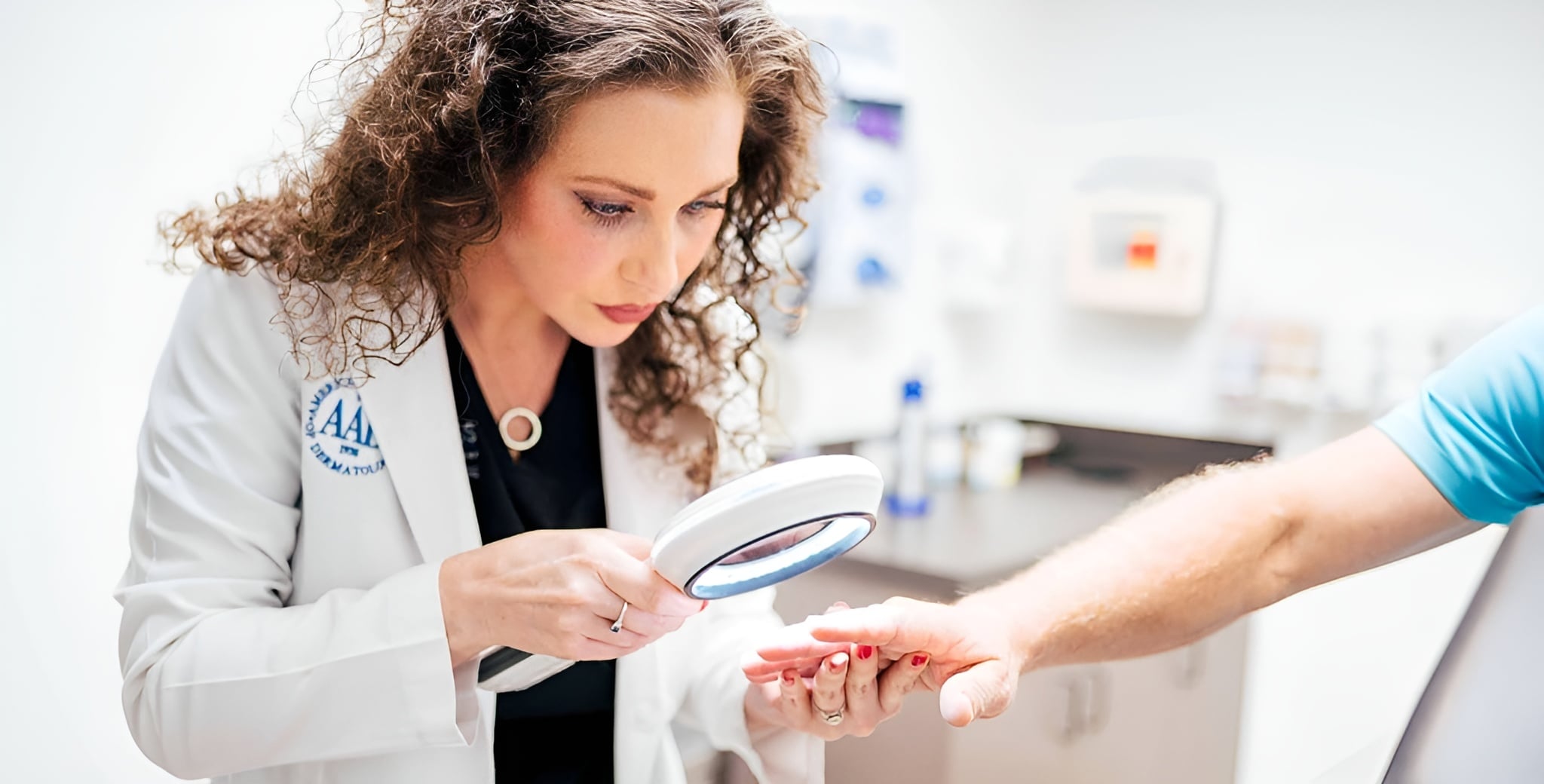
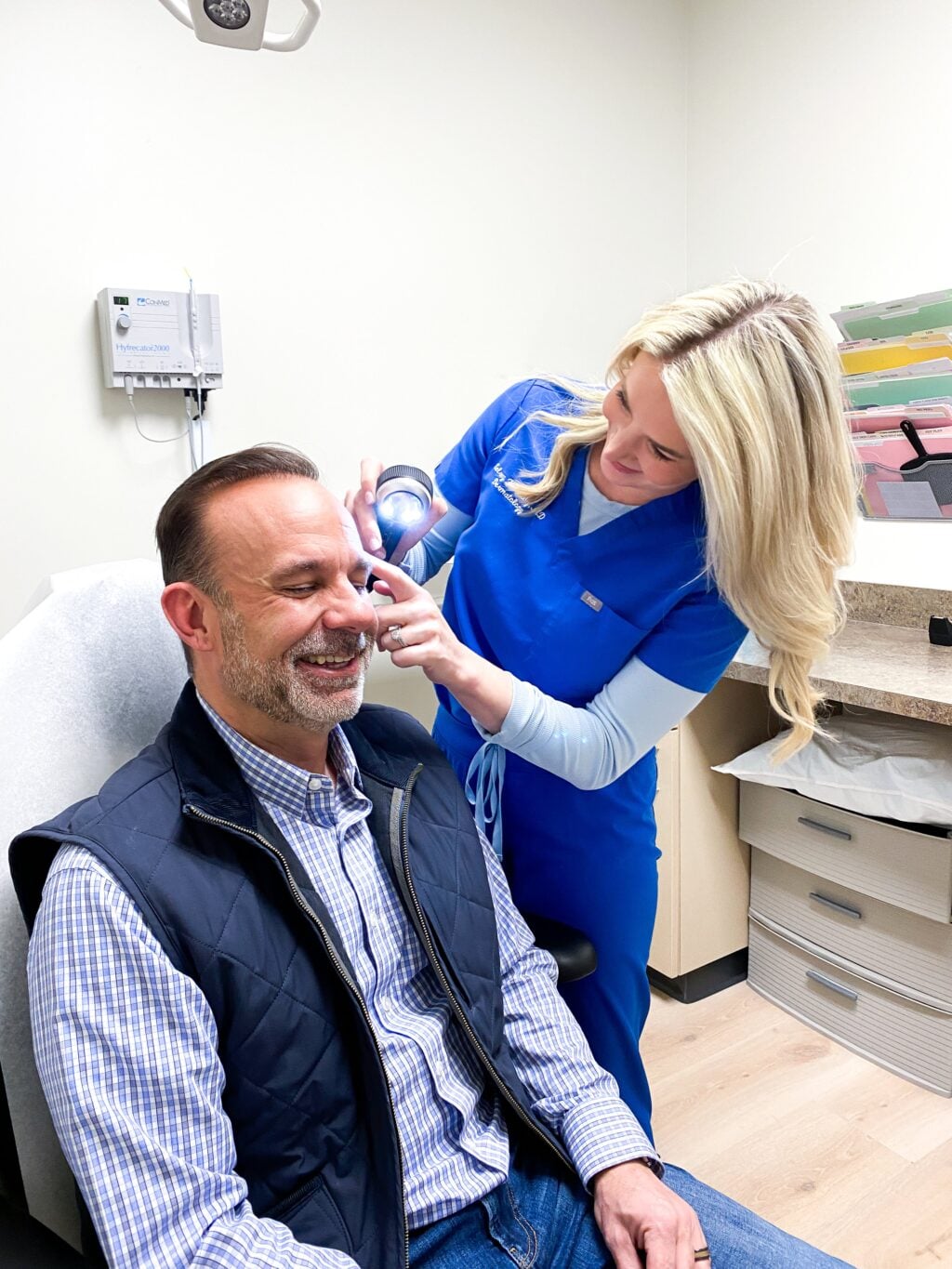
Most patients consult a dermatologist for new or changing skin growths. For all adult patients it is useful to have a baseline comprehensive skin exam to answer three questions: What is the status of my skin? How do I protect my skin? Do I need a regular skin exam?
Patients who need a regular skin exam often have a history of skin cancer, actinic keratosis, or multiple large and abnormal moles. Patients over 50 who have blue eyes plus very fair skin and/or severely sun-damaged skin, and patients taking immunosuppressive medication also need an annual comprehensive skin exam from a board-certified dermatologist.
Mohs surgery offers cure rates of up to 99% for many primary skin cancers, making it one of the most effective skin cancer treatments available.
The procedure is performed with local anesthesia, so patients typically experience little to no discomfort during treatment.
Any surgical procedure can leave a scar, but Mohs surgery is designed to remove the least amount of healthy tissue possible. Dermatologic surgeons carefully repair the area to achieve the best cosmetic outcome.
The procedure is performed in stages and can take several hours depending on the number of layers required to completely remove the cancer.