Scaling Scalp
A scaling scalp is more than just a grooming frustration. Whether it’s thick plaques or persistent itching, your scalp deserves a medical diagnosis.
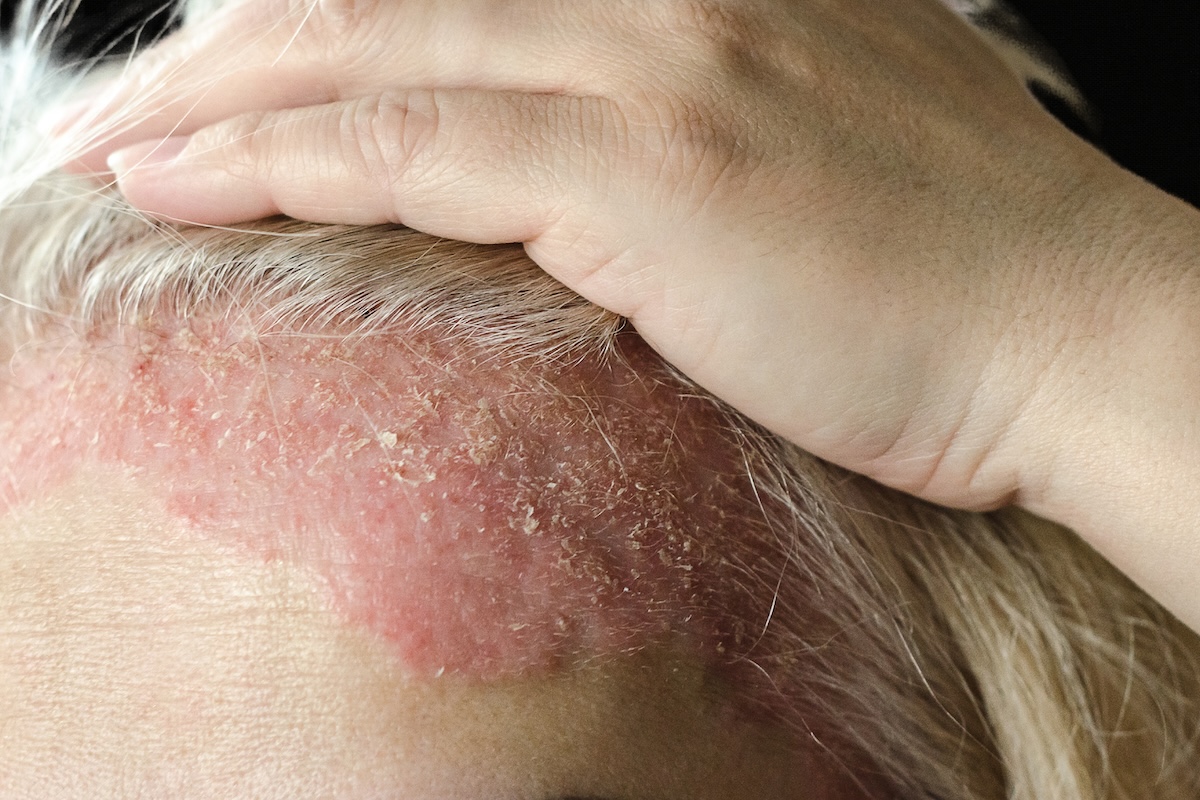
50-80%
of people living with plaque psoriasis will experience a scalp flare-up
Scalp ringworm
most common fungal infection in children worldwide
70% of patients
report worsening scalp scaling conditions during winter months
100% of adults
have Malassezia yeast, the primary driver of seborrheic dermatitis
UNDERSTANDING SCALING SCALP
Precision Scalp Care: Beyond the Surface of “Dandruff”
Tired of the itch, the flakes, and the endless search for a solution? We know that dealing with a scaling scalp is frustrating, uncomfortable, and can take a toll on your confidence. You shouldn’t have to just “live with it.”
The Anatomy of Scalp Scaling
Clinically, a scaling scalp can be due to a number of different things. The most common causes are seborrheic dermatitis and scalp psoriasis. Seborrheic dermatitis is due to an overgrowth of yeast on the scalp and typically occurs in sebaceous rich areas like the scalp, eyebrows and nasolabial folds. Scalp psoriasis is distinguished by well-demarcated plaques with scale. Other causes of scalp scaling include tinea capitis (a fungal infection of the scalp) and actinic damage from long-term sun exposure.
Targeted Scalp Protocols at Inverness Dermatology
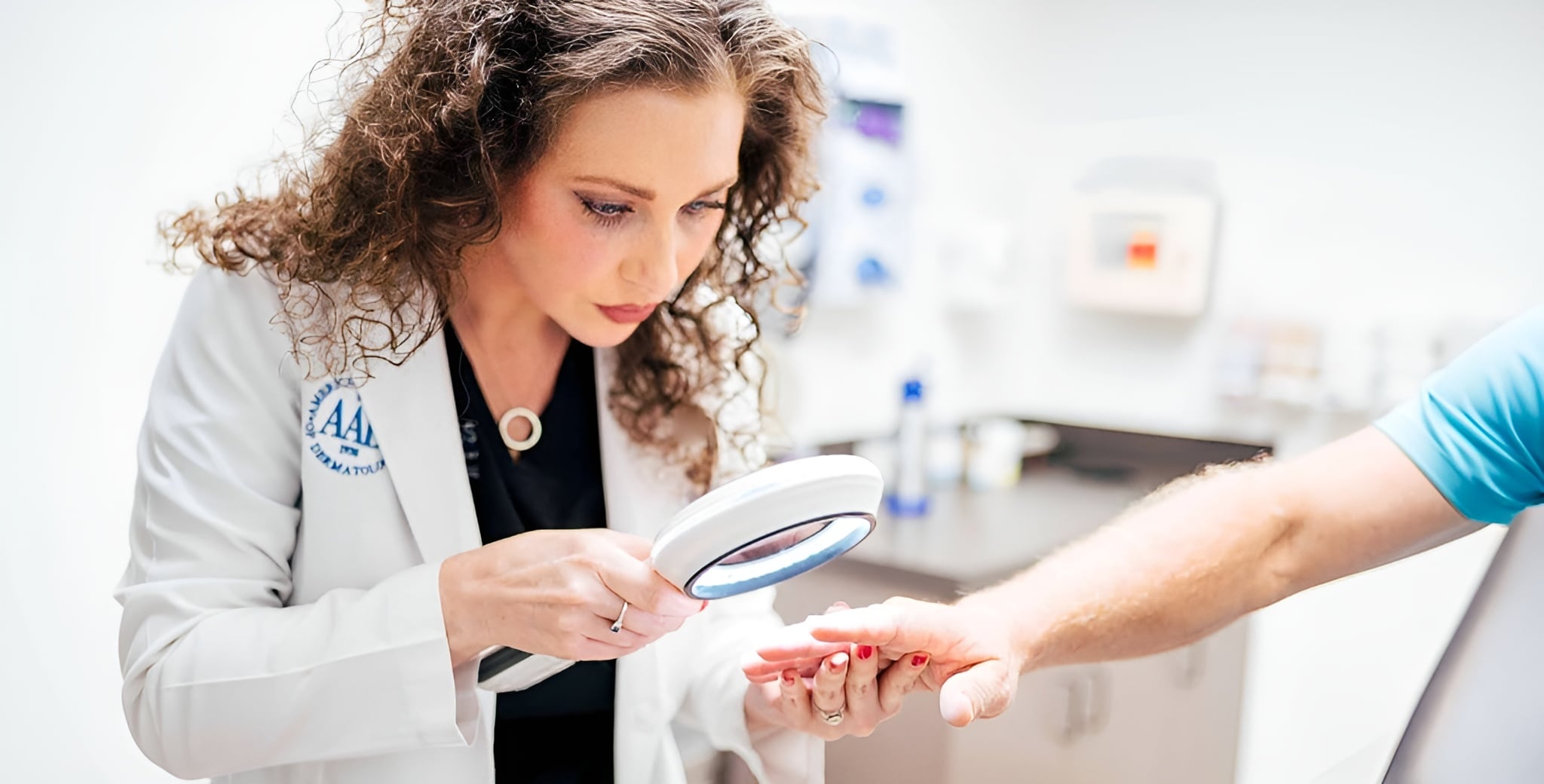
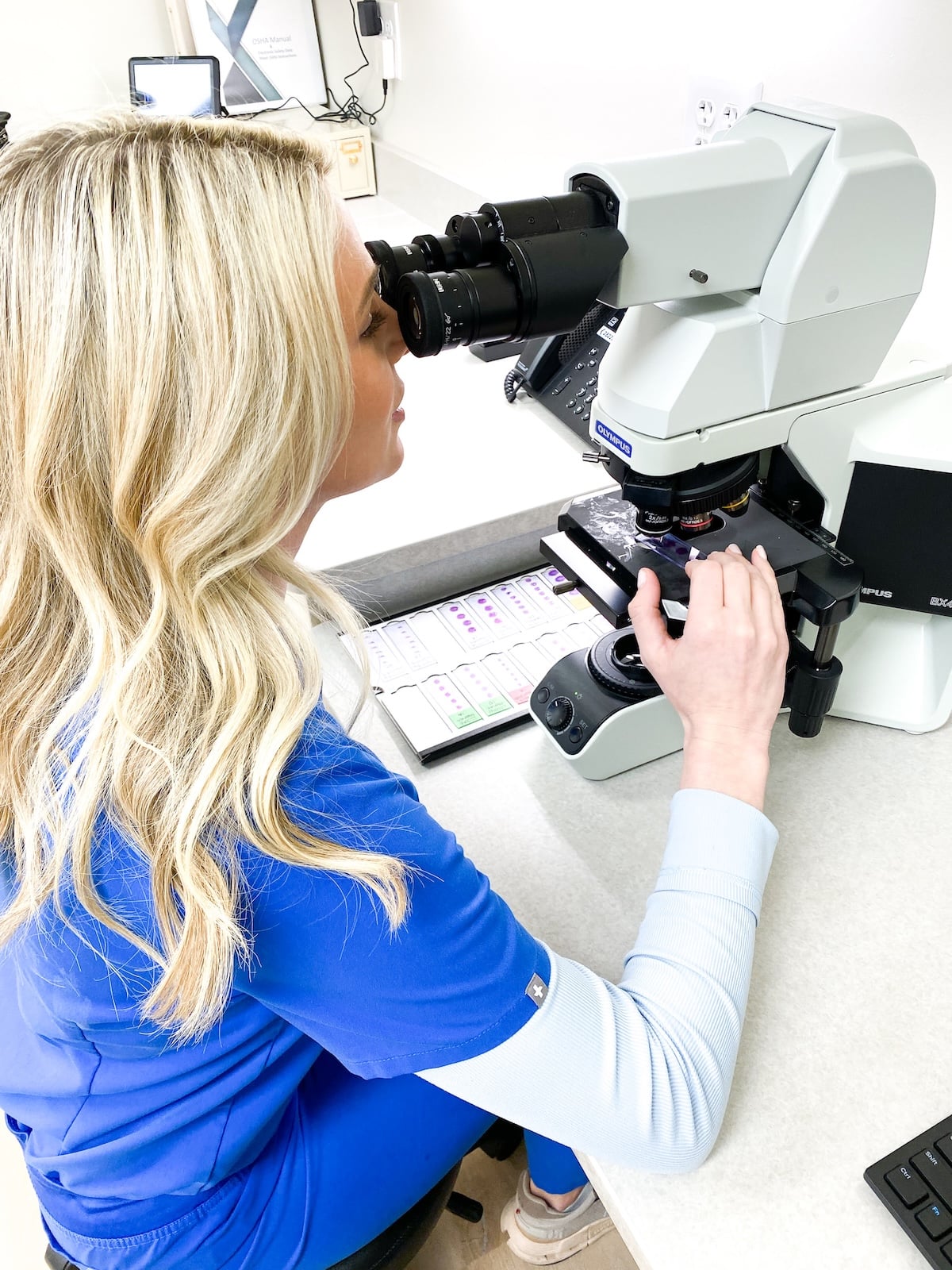
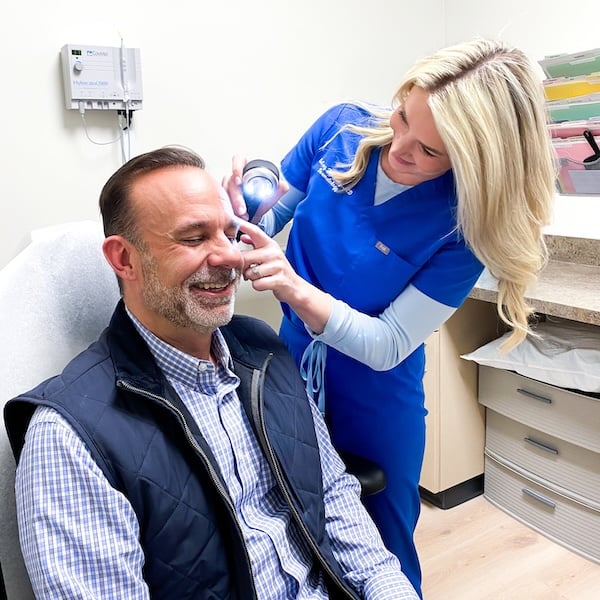
With so many underlying causes of scaling in the scalp, it’s important to see an expert. A scaling scalp can often be diagnosed based on a visual exam and clinical dermoscopy alone. However, if an infection is suspected, this can be confirmed with a fungal culture, which involves taking a swab of the affected area. If there is concern for skin cancer, a skin biopsy can be performed and sent for further microscopic evaluation by a dermatopathologist.
This structured approach neutralizes the scaling cycle, restoring a calm, flake-free scalp environment.
CLINICAL DETAILS
A Breakdown of Scaling Scalp
Seborrheic Dermatitis
Standard “dandruff” characterized by oily, yellow scales and mild redness.
Scalp Psoriasis
Thick, silvery plaques that often feel “powdery” and can bleed if picked (Auspitz sign).
Tinea Capitis
A true fungal infection that often causes circular patches of scale and “black dot” hair breakage.
Sebopsoriasis
An overlap condition where a patient exhibits clinical features of both seborrheic dermatitis and psoriasis.
Pityriasis Amiantacea
An extreme scaling condition where thick, silver-grey scales bind the hair shafts together in “tunnels.”
EVIDENCE-BASED CARE
Our Treatment Approach
Board-certified dermatologists are specially trained to diagnose and provide customized treatments.
Scaling Scalp FAQ
Clinical answers from our board-certified dermatologists.
Is “dandruff” the same thing as scalp psoriasis?
Can I “catch” a scaling scalp from someone else?
Will my hair fall out because of the scaling?
Why don’t drugstore shampoos work for me?
Accepted insurance providers