Keratosis Pilaris & Dry Skin
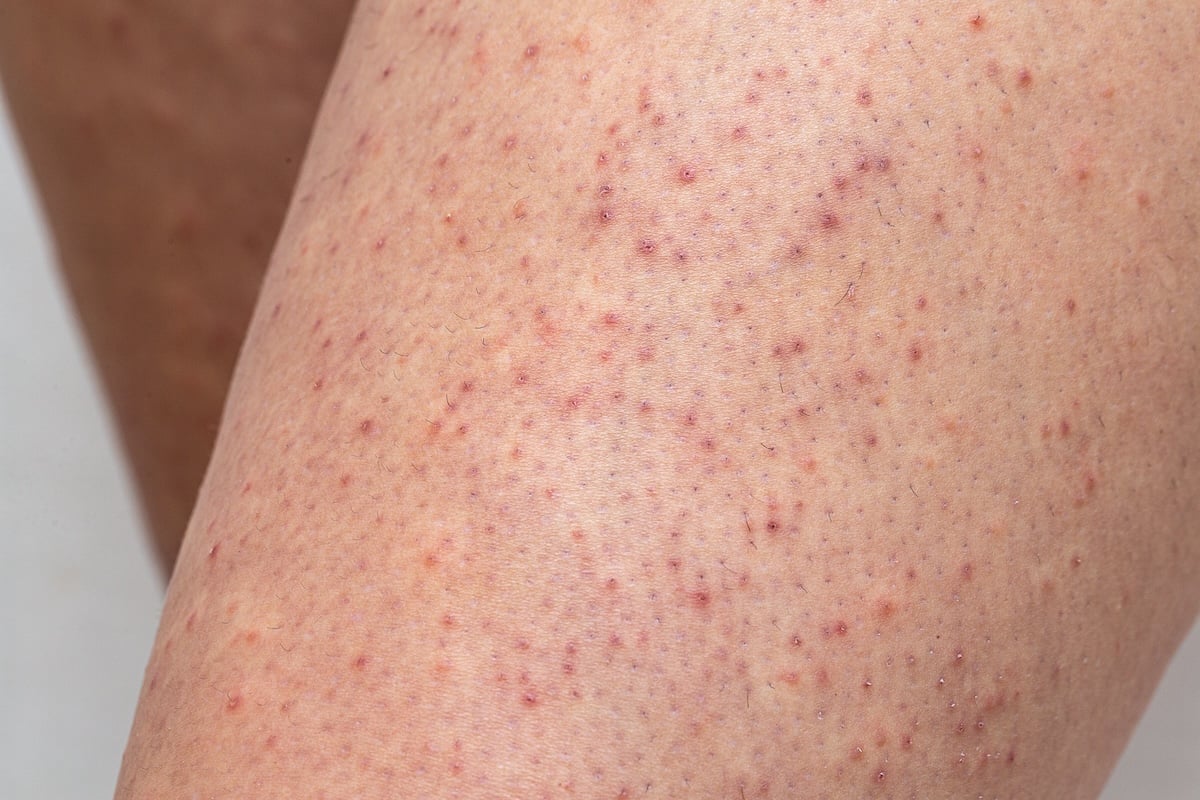
Rough, bumpy skin on the arms and thighs—often called “”chicken skin””—is a clinical condition called Keratosis Pilaris. When combined with chronic dryness, it can be frustrating to manage alone.
Adolescent Prevalence
80% of adolescents affected worldwide
Atopic Link
also suffering from Atopic Dermatitis (Eczema) or significant seasonal Xerosis (Dry Skin).
Winter Itch
60% patients report worsening symptoms during low-humidity winter months
Hereditary Patterns
KP is often inherited in an autosomal dominant pattern
UNDERSTANDING KERATOSIS PILARIS & DRY SKIN
Restoring Smoothness: Beyond the Surface of “Chicken Skin” and Dryness
For many in Birmingham and Hoover, persistent “rough-to-the-touch” skin and seasonal dryness are more than just minor inconveniences—they are chronic disruptions of the skin’s protective barrier. Often referred to as “chicken skin,” Keratosis Pilaris (KP) and its frequent companion, Xerosis (Dry Skin), are driven by a biological breakdown in how our skin sheds cells and retains moisture. At Inverness Dermatology, we move beyond temporary lotions to provide a clinical path to skin smoothness, utilizing medical-grade protocols to restore the integrity of your cutaneous barrier.
The Anatomy of Keratin Congestion
Clinically, Keratosis Pilaris is a disorder of Follicular Hyperkeratosis. It occurs when the body produces an excess of keratin—the protein that protects the skin from infections—which then forms a hard plug at the opening of the hair follicle. This results in the characteristic “sandpaper” texture and localized redness (keratosis pilaris rubra). When paired with Xerosis, or a lack of moisture in the stratum corneum, these plugs become more rigid and pronounced, leading to an inflammatory cycle of itching and rough texture.
Targeted Barrier Protocols at Inverness Dermatology
We categorize Keratosis Pilaris and Dry Skin (ICD-10: L85.8 / L85.3) by their inflammatory state and underlying cause to ensure the most effective medical intervention.
Our team focuses on Chemical Debridement and Lipid Restoration. A critical pillar of our trust promise is Sequential Therapy. We don’t just treat the “bumps”; we address the biological environment that creates them. By utilizing medical-grade keratolytic agents to dissolve the plugs and high-potency humectants to repair the moisture barrier, we achieve a level of smoothness that traditional moisturizers simply cannot provide.
CLINICAL DETAILS
A Breakdown of Keratosis Pilaris & Dry Skin
Keratosis Pilaris Alba
The most common form; rough, greyish-white bumps without significant inflammation or redness.
Keratosis Pilaris Rubra
Bumps characterized by marked redness and inflammation, often appearing on the cheeks or arms.
Xerosis Cutis
Pathological dry skin characterized by scaling, itching, and fine cracks in the skin barrier.
Ichthyosis Vulgaris
A more severe genetic “fish scale” skin condition often found in association with KP.
Folliculitis
An actual infection of the hair follicle; included as a differential because it requires antibiotics rather than simple exfoliation.
EVIDENCE-BASED CARE
Our Treatment Approach
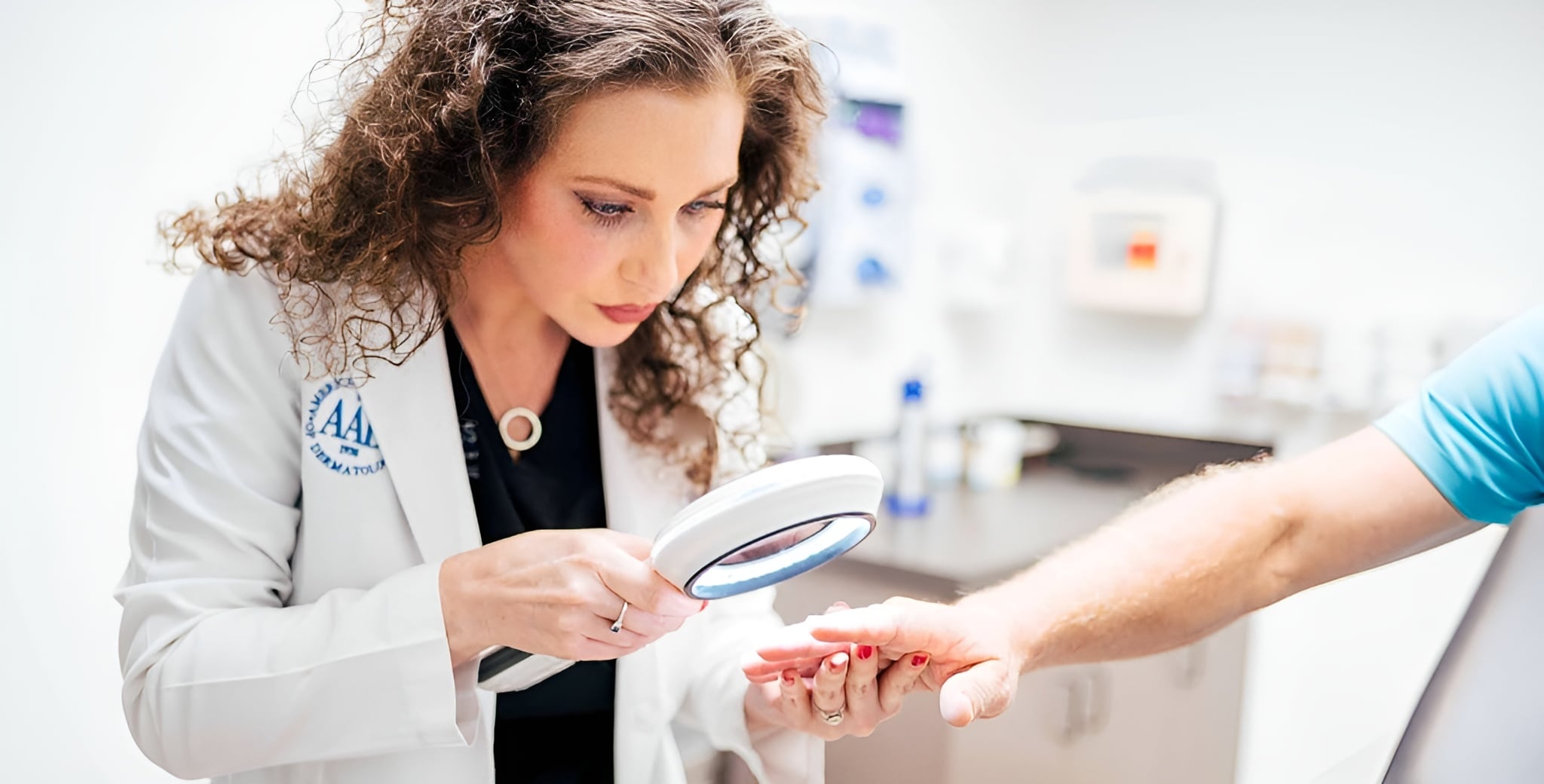
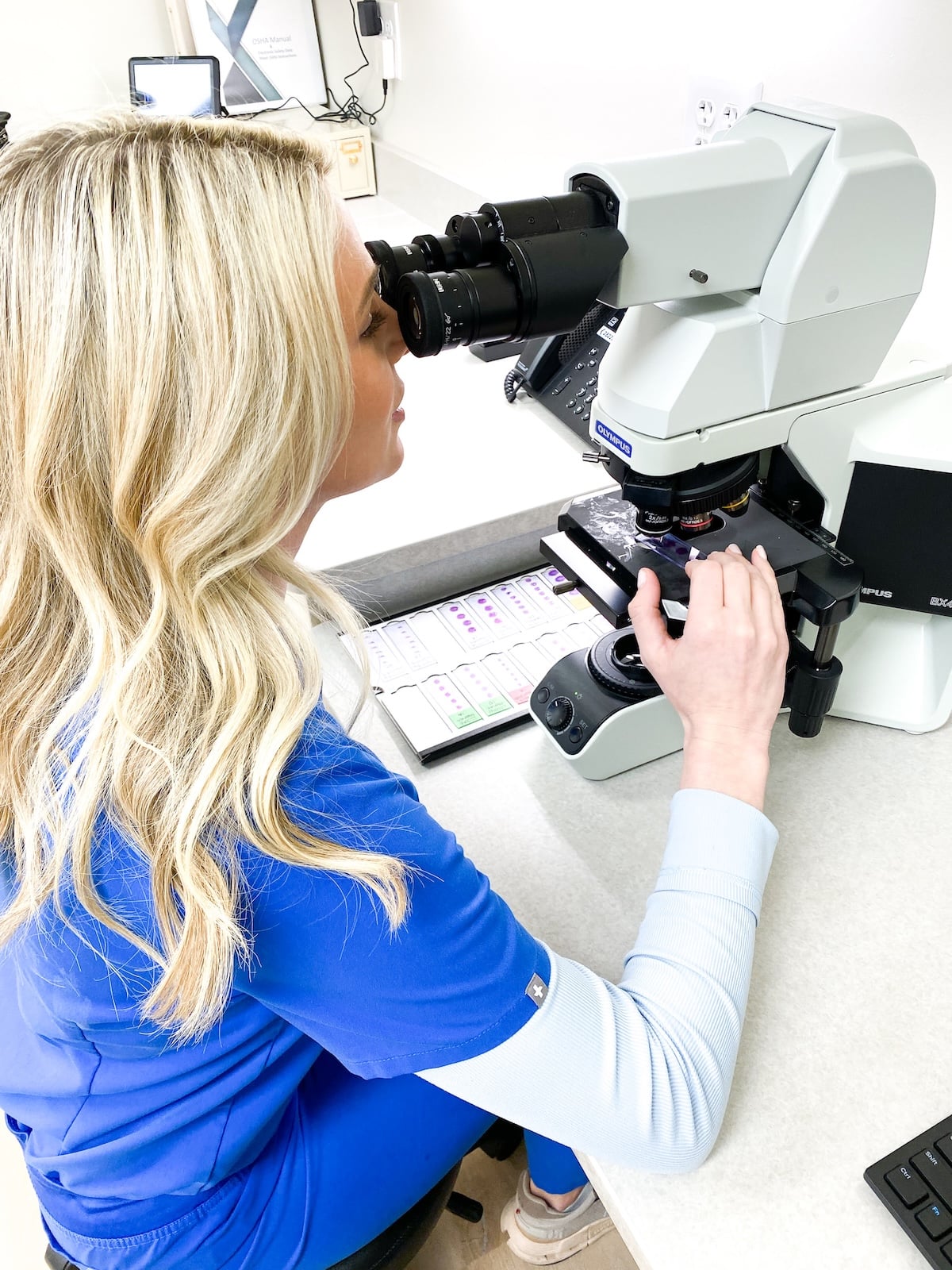
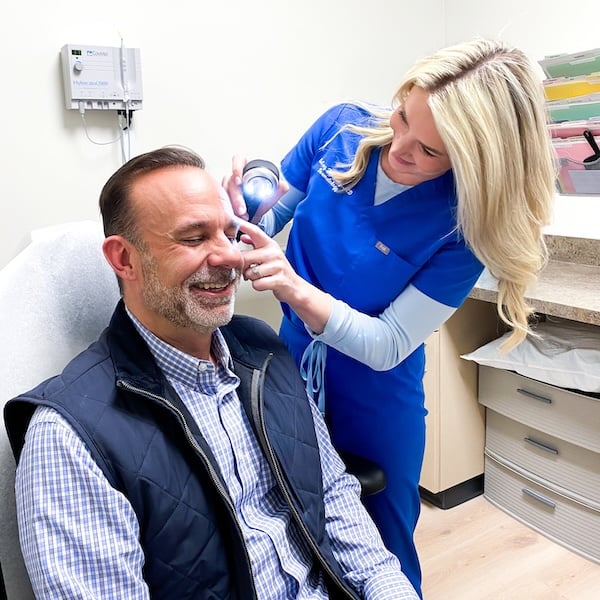
Board-certified dermatologists are specially trained to diagnose and provide customized treatments.
Keratosis Pilaris & Dry Skin FAQ
Clinical answers from our board-certified dermatologists.
Is Keratosis Pilaris contagious?
Can I scrub the “bumps” away with a loofah?
Will my KP ever fully go away?
Why is my dry skin so itchy even after I use lotion?
Accepted insurance providers