Skin Cancer
-
1 in 5
develop skin cancer by the age of 70
-
9,500
per day are diagnosed with skin cancer
-
99%
5-year melanoma survival rate when detected early
-
98%
Mohs Surgery success rate
UNDERSTANDING Skin Cancer
Navigating Your Skin Cancer Journey with Confidence
Hearing the words ‘skin cancer’ is a moment that changes everything. Whether you’ve noticed a spot that won’t heal, a changing mole, or have received a definitive diagnosis, the path forward can feel overwhelming. At Inverness Dermatology we believe that fear is best met with expertise. Serving the Birmingham and Dover community, we provide a sanctuary of clinical excellence. From your initial screening to the most advanced surgical interventions, we walk this path with you, prioritizing your health, your recovery, and your peace of mind.
Understanding the Spectrum of Skin Malignancy
At Inverness Dermatology, we manage the three primary types of skin cancer, each requiring a distinct clinical approach.
Leading Experts in Birmingham – Advanced Treatment Modalities
SkinCare MT is recognized as a center of excellence for skin cancer oncology. Our board-certified dermatologists and fellowship-trained surgeons led by Dr. Kelsey Kennedy utilize a “multimodal” approach, selecting the most effective intervention based on the tumor’s type, location, and histological grade.
CLINICAL DETAILS
A Breakdown of Skin Cancer
-
Actinic Keratosis
Actinic Keratosis is the earliest stage in the development of Squamous Cell Carcinoma (SCC). It is a disorder of Keratinocyte Atypia, where the cells in the top layer of your skin (the epidermis) begin to grow abnormally due to cumulative DNA damage from UV radiation.
-
Basal Cell Carcinoma (BCC)
The most common cancer in humans; roughly 3.6 million cases are diagnosed in the US annually (about 80% of all skin cancers). Severity: Low.
-
Squamous Cell Carcinoma (SCC)
The second most common type; approximately 1.8 million cases are diagnosed each year in the US. Severity: Moderate, highly treatable.
-
Malignant Melanoma
Accounts for only about 1% of skin cancers but is the most well-known; roughly 234,680 cases (invasive and in situ) are projected for 2026. Severity: High; deadliest form.
EVIDENCE-BASED CARE
Our Treatment Approach
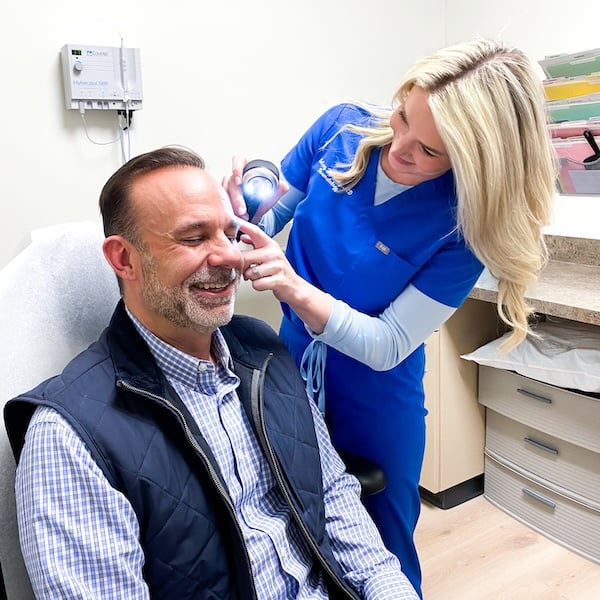
Board-certified dermatologists are specially trained to diagnose and provide customized treatments.
The Mohs Surgery Advantage
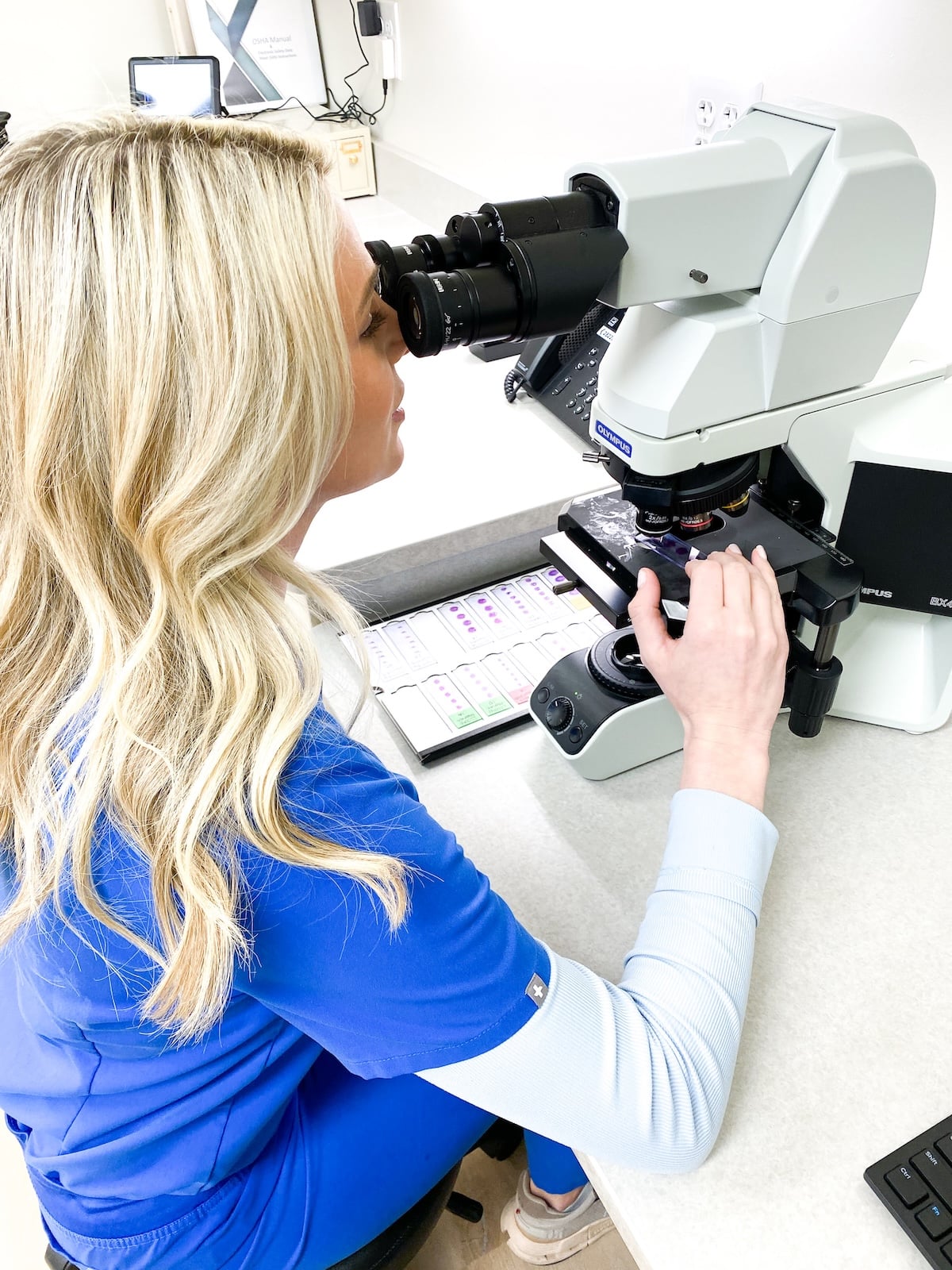
At Inverness Dermatology we specialize in Mohs Micrographic Surgery, the most advanced and effective treatment for skin cancer available today. Unlike standard surgery where a sample is sent to a lab days later, Mohs surgery allows our surgeons to act as both the physician and the pathologist.
Treatment Options for Skin Cancer
- Mohs Micrographic Surgery
- Surgical Excision
- Immunotherapy
- Targeted Therapy
Skin Cancer FAQ
Clinical answers from our board-certified dermatologists.
No. The treatment depends entirely on the type of cancer, its location, and how aggressive it looks under the microscope. While a superficial Basal Cell might be treated with a simple scrape (ED&C) or cream, a Squamous Cell on the nose often requires Mohs Surgery to ensure every “root” is removed while saving as much healthy skin as possible.
Yes. While UV radiation is the primary cause, certain types of skin cancer, particularly Melanoma, can appear on the soles of the feet, the palms of the hands, or under the nails (Acral Lentiginous Melanoma). This is why a professional head-to-toe exam in Birmingham is so important.
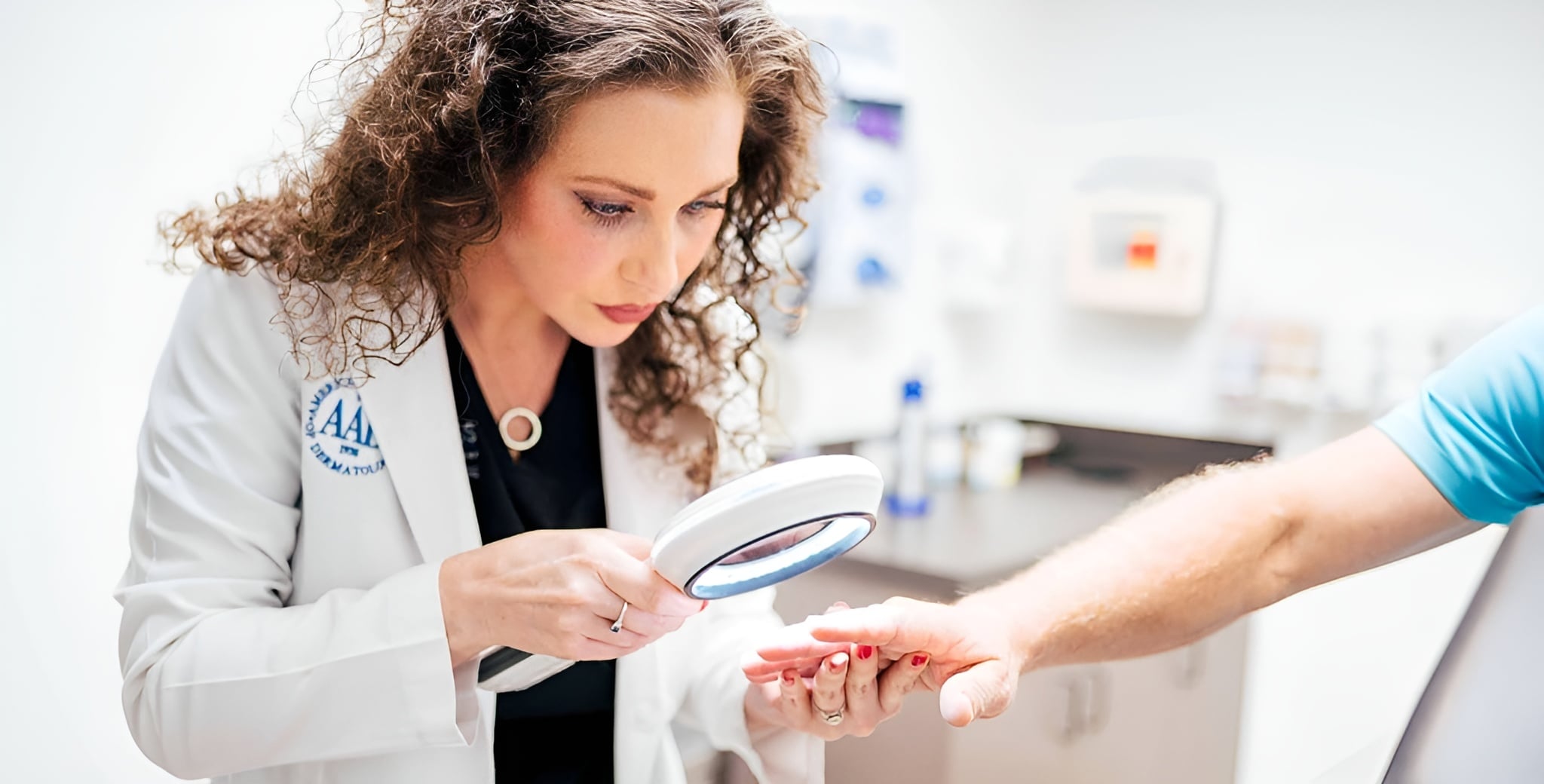
A biopsy is a diagnostic test where a small piece of the spot is removed to see if it is cancerous. An excision is a treatment where the entire tumor (and a safety margin of healthy skin) is surgically removed to cure the cancer.