Acne Scarring
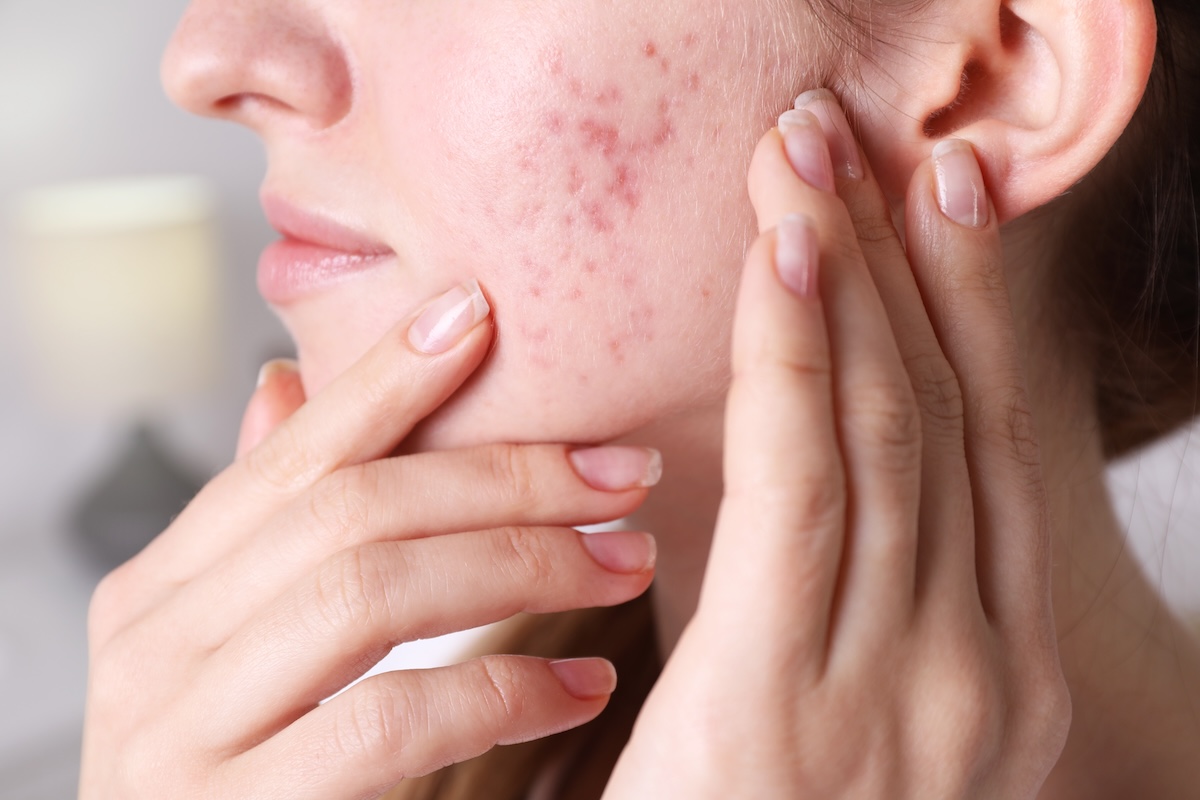
The end of an acne breakout shouldn’t be the start of a new concern. Whether you’re dealing with deep ‘ice pick’ pits or wavy ‘rolling’ scars, these are structural changes that require medical precision.
1 in 5 people
with acne will develop some degree of permanent scarring
3 years
delaying active acne treatment increases risk of atrophic scarring
70% of patients
with visible acne scarring report that the condition negatively impacts their self-image
Men
statistically more likely to develop severe hypertrophic scarring on back and chest
UNDERSTANDING ACNE SCARRING
Restoration and Renewal: The Clinical Approach to Acne Scarring
For many in Birmingham and Hoover, the clearance of active acne is only half the battle. The structural changes left behind—depressions, pits, and thickened tissue—can be a source of long-term frustration. Clinically, Acne Scarring is not a surface-level pigment issue, but a permanent alteration of the dermal architecture. At Inverness Dermatology, we move beyond superficial “facials” to provide a clinical path to skin smooth-out, utilizing medical-grade energy devices and sub-surface remodeling to restore your skin’s natural contour.
The Anatomy of a Depressed Scar
Acne scarring is a disorder of Abnormal Wound Healing following a deep inflammatory event. When an acne cyst ruptures, it destroys the local collagen network. As the skin repairs itself, it often creates fibrous “tethers” that pull the surface of the skin downward, resulting in Atrophic Scars (depressions). Conversely, if the body overproduces collagen during repair, it results in Hypertrophic Scars (raised tissue). Understanding whether your scarring is a loss of volume or a tethering of tissue is the first step in our diagnostic process.
Targeted Scar Protocols at Inverness Dermatology
We categorize Acne Scarring (ICD-10: L90.5) by morphology—Ice Pick, Boxcar, Rolling, and Hypertrophic—to ensure the most effective medical intervention.
Our team focuses on Multi-Vector Remodeling. A critical pillar of our trust promise is Depth-Specific Therapy. Because different scars exist at different levels of the dermis, we utilize a combination of subcision (to break internal tethers), fractional resurfacing (to smooth the surface), and collagen induction to rebuild the skin’s foundation. We prioritize safe, predictable progress that respects the biological limits of your skin’s regenerative capacity.
CLINICAL DETAILS
A Breakdown of Acne Scarring
Ice Pick Scars
Narrow, deep, “V-shaped” pits that appear as if the skin was punctured by a sharp instrument.
Boxcar Scars
Round or oval depressions with steep, well-defined vertical edges, similar to chickenpox scars.
Rolling Scars
Wide depressions that create an undulating, “wave-like” appearance on the skin due to fibrous bands pulling from below.
Hypertrophic/Keloid Acne Scars
Raised, firm masses of tissue, most common on the jawline, chest, and back.
Post-Inflammatory Erythema
Persistent red or pink marks left behind by acne; often the precursor to structural scarring.
EVIDENCE-BASED CARE
Our Treatment Approach
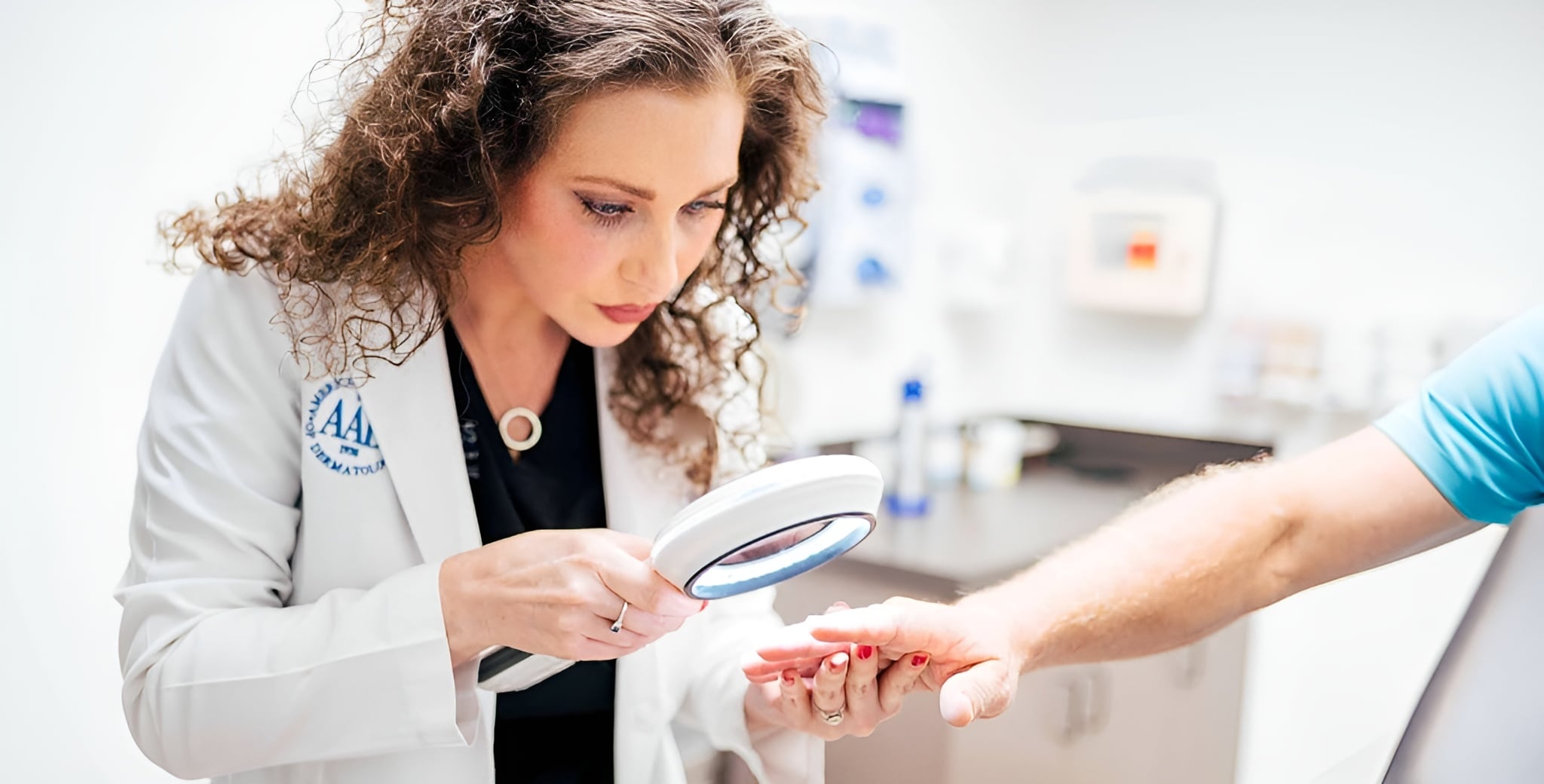
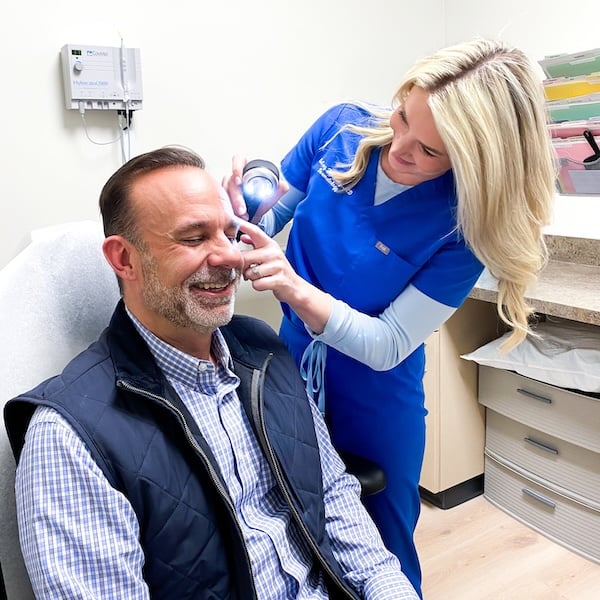
Board-certified dermatologists are specially trained to diagnose and provide customized treatments.

Acne Scarring FAQ
Clinical answers from our board-certified dermatologists.
Can creams or serums remove acne scars?
Is it safe to treat scars while I still have active acne?
What is the difference between a “spot” and a “scar”?
How many treatments will I need to see results?
Accepted insurance providers