Vitiligo
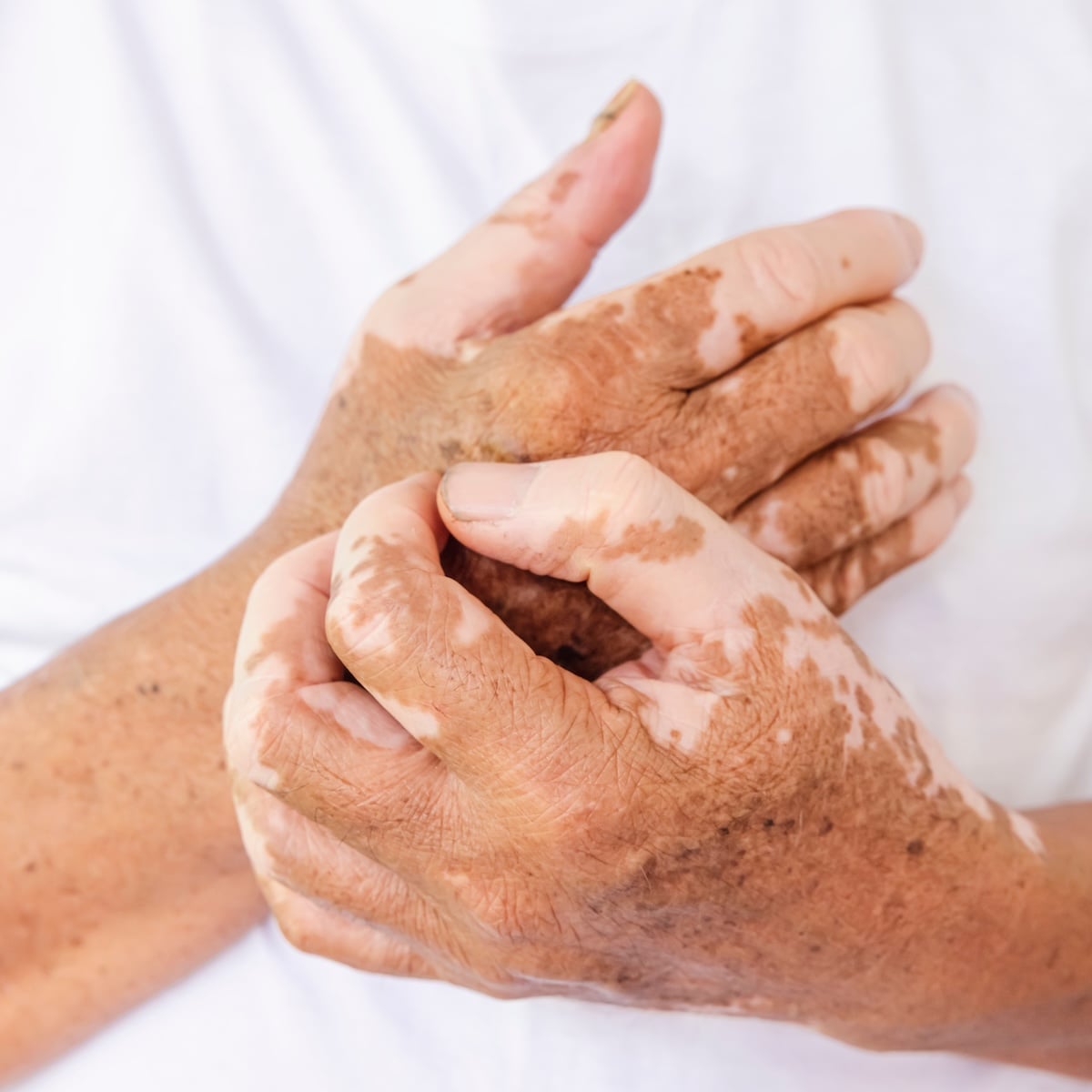
The loss of skin color in patches—known as Vitiligo—is a complex autoimmune condition that requires more than just cosmetic coverage.
1% to 2%
global population is affected
Early Onset
nearly half of all patients develop their first patches before the age of 20
up to 20%
patients with vitiligo also have at least one other autoimmune disorder
The “Koebner” Effect
25% of patients, new patches of vitiligo can develop at the site of a physical skin injury
UNDERSTANDING VITILIGO
Precision Repigmentation: Beyond the Surface of Vitiligo
The sudden appearance of white patches on the skin can be a source of significant distress and confusion. Clinically known as Vitiligo, this condition is not merely a “loss of color,” but a complex autoimmune response where the body’s defense system targets its own pigment-producing cells.
Patients living in Birmingham can consult with board-certified dermatologists at Inverness Dermatology.
The Anatomy of Melanocyte Loss
Vitiligo is a disorder of Melanocyte Destruction. In healthy skin, cells called melanocytes produce melanin, the pigment that gives skin its color. In vitiligo-prone skin, T-cells (a type of white blood cell) mistakenly identify these melanocytes as foreign threats and destroy them. This leads to a total absence of pigment in the affected areas, a state known as Depigmentation. Because the “biological blueprint” for pigment often remains in the hair follicles, successful treatment relies on stimulating these dormant reservoirs to migrate back to the skin’s surface.
CLINICAL DETAILS
A Breakdown of Vitiligo
Non-Segmental Vitiligo
The most common form; characterized by symmetrical patches on both sides of the body (e.g., both hands or both knees).
Segmental Vitiligo
Typically appears on one side of the body or in a “segment,” often following a nerve pathway. It tends to stabilize quickly and is less associated with other autoimmune diseases.
Generalized Vitiligo
Widespread patches across multiple areas of the body.
Acrofacial Vitiligo
Depigmentation limited to the face (around the eyes/mouth) and the extremities (fingertips/toes).
Universal Vitiligo
A rare form where nearly all of the body’s pigment is lost.
Mucosal Vitiligo
Loss of pigment specifically affecting the lips and genital membranes.
EVIDENCE-BASED CARE
Our Treatment Approach
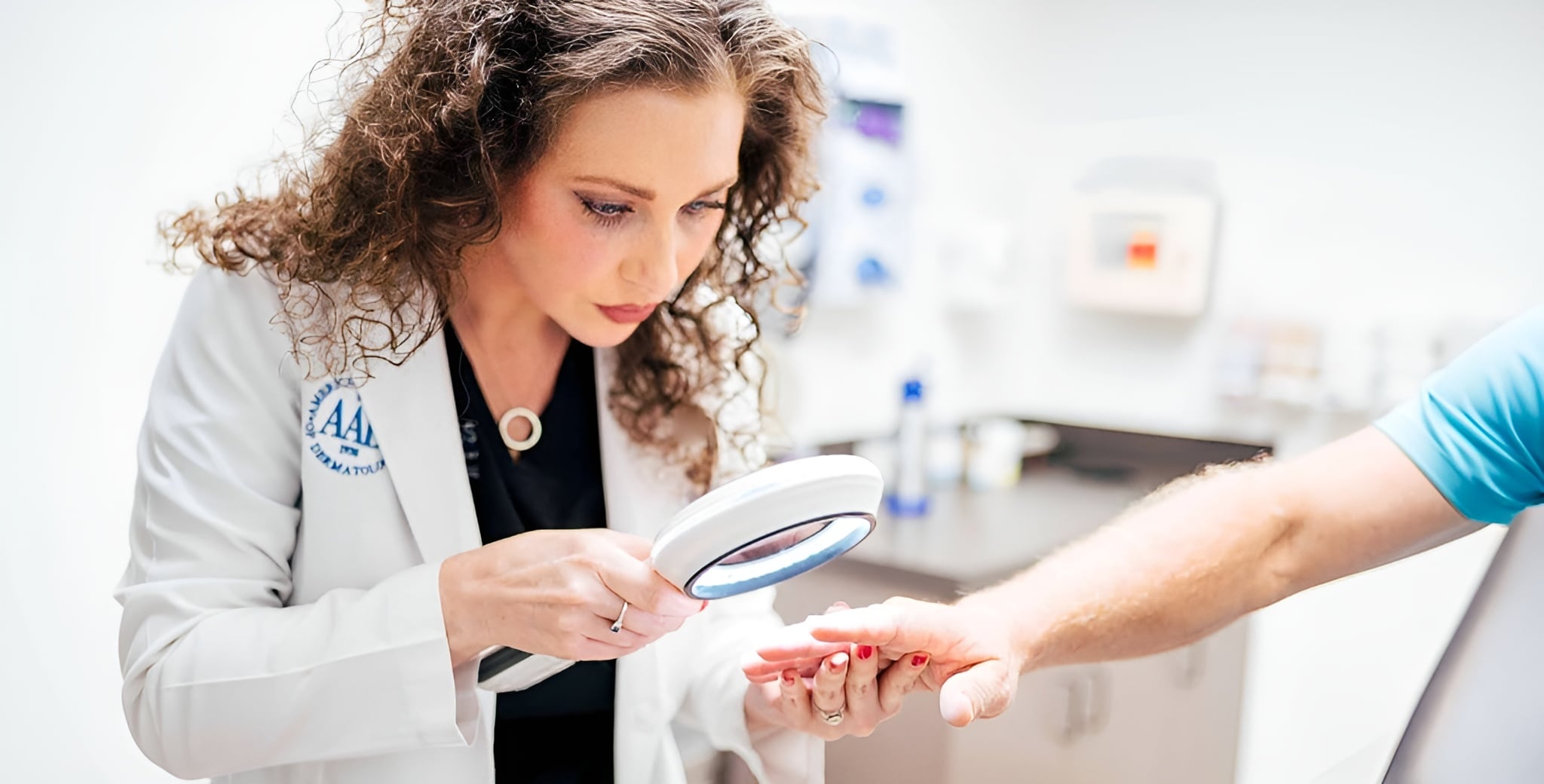
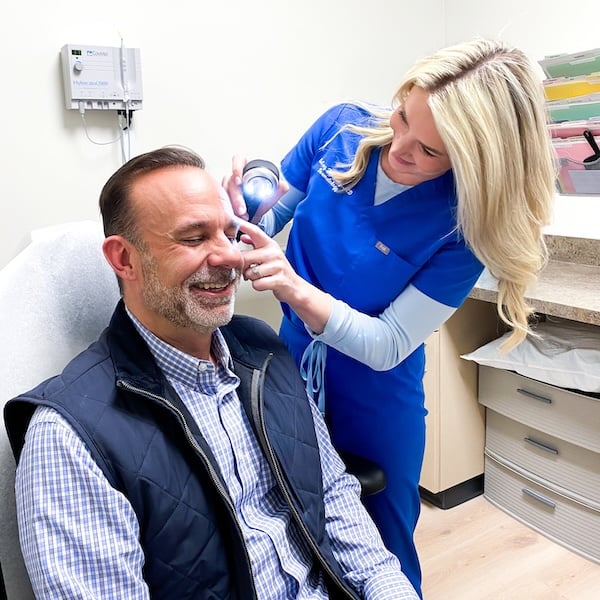
Board-certified dermatologists are specially trained to diagnose and provide customized treatments.

Vitiligo FAQ
Clinical answers from our board-certified dermatologists.
Is vitiligo caused by stress?
Can the white patches be tanned back to normal?
Is vitiligo contagious?
How do the new “JAK inhibitors” work?
Accepted insurance providers