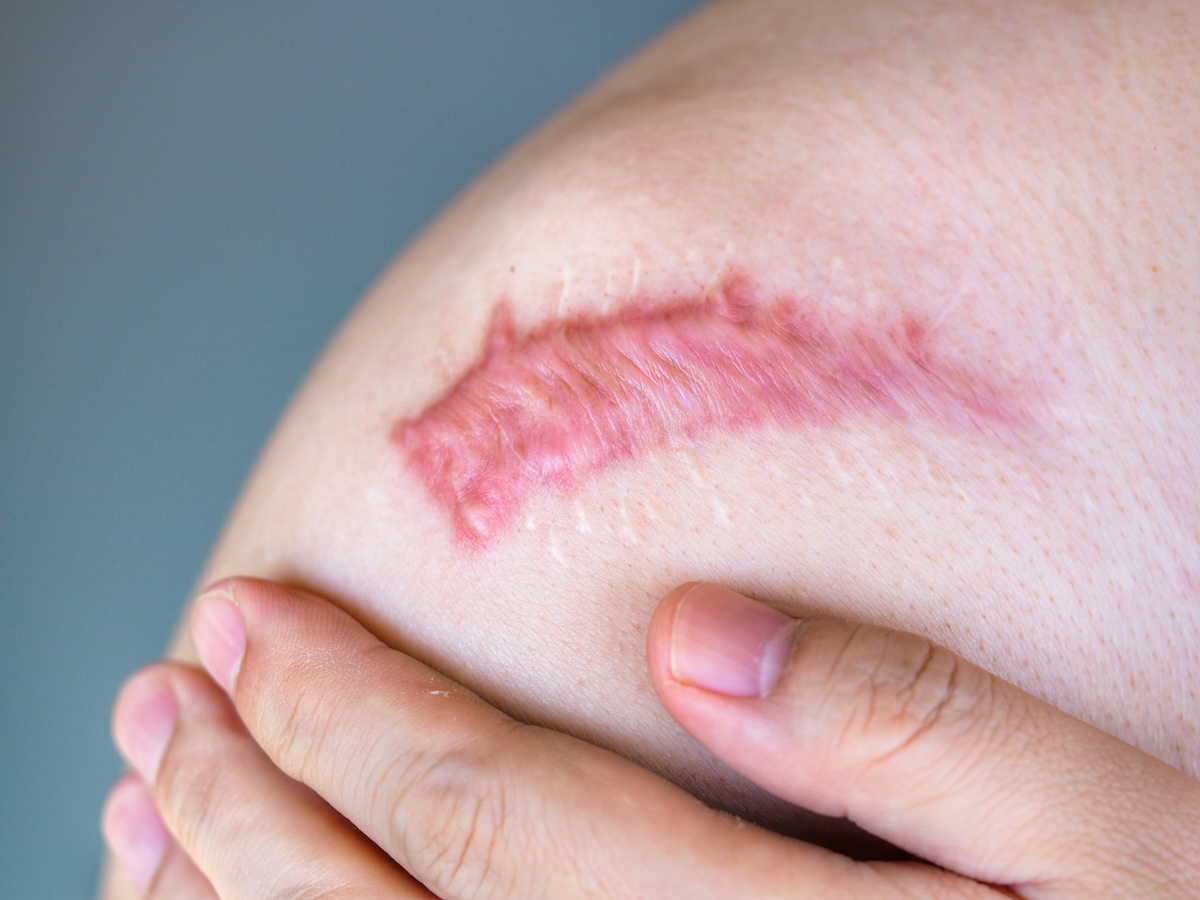
Scars & Keloids
A scar is more than a mark on the skin—it is a lasting reminder of an injury, surgery, or inflammation that can impact both comfort and confidence.
Darker Skin
Keloids are significantly more common
Age Factor
The peak onset for keloid development is during the second and third decades of life
40% to 90%
Hypertrophic scarring occurs in patients following surgery or trauma
70%+
of patients with keloids report associated symptoms such as pruritus (itching) or localized pain
UNDERSTANDING SCARS & KELOIDS
Precision Scar Revision: Beyond the Surface of Wound Healing
For many in Birmingham and Hoover, a scar is more than a mark on the skin—it is a lasting reminder of an injury, surgery, or inflammatory event that can impact both physical comfort and self-confidence. Whether you are dealing with the persistent itching of a raised keloid or the textural irregularities of an atrophic acne scar, scarring is a complex biological process. At Inverness Dermatology, we move beyond the “wait and see” approach to provide a clinical path to scar revision that prioritizes the restoration of both skin function and aesthetic harmony.
The Anatomy of a Scar
Clinically, a scar is the result of the body’s natural Wound Healing Response, specifically a disorder of Extracellular Matrix Remodeling. When the deeper dermal layer is injured, the body prioritizes rapid closure over structural perfection, depositing dense bundles of Type I and Type III Collagen. In the case of Keloids and Hypertrophic Scars, this process goes into overdrive, with fibroblasts continuing to produce collagen long after the wound has closed. This results in a raised, often symptomatic lesion that can be firm, tender, or restricted in movement.
Targeted Scar Protocols at Inverness Dermatology
We categorize Scars and Keloids (ICD-10: L91.0) by their morphology and inflammatory state to ensure the most effective medical intervention.
Our team focuses on Biological Modulation. A critical pillar of our trust promise is the Multi-Modal Approach. Because no two scars are identical, we combine traditional medical interventions with advanced energy devices to remodel the tissue from the inside out. For keloid-prone patients, we emphasize Recurrence Prevention, utilizing a proactive clinical strategy to ensure that treating a scar does not trigger further excessive collagen growth.
CLINICAL DETAILS
A Breakdown of Scars & Keloids
Keloid
Firm, raised growths that extend beyond the original wound margins; highly prone to recurrence.
Hypertrophic Scar
Raised, red scars that remain within the wound boundaries; often occur in areas of high skin tension.
Atrophic Scar
Sunken or “pitted” scars caused by a loss of collagen; most common following acne or chickenpox.
Contracture Scar
Rigid scars that tighten the skin, often following a burn injury, which can restrict movement of joints.
Striae Distensae
Clinically known as “stretch marks”; these are linear scars caused by the rapid stretching of the dermis during growth or pregnancy.
Acne Scarring
A specialized sub-type that can be atrophic (ice pick, boxcar, rolling) or hypertrophic, resulting from inflammatory acne lesions.
EVIDENCE-BASED CARE
Our Treatment Approach
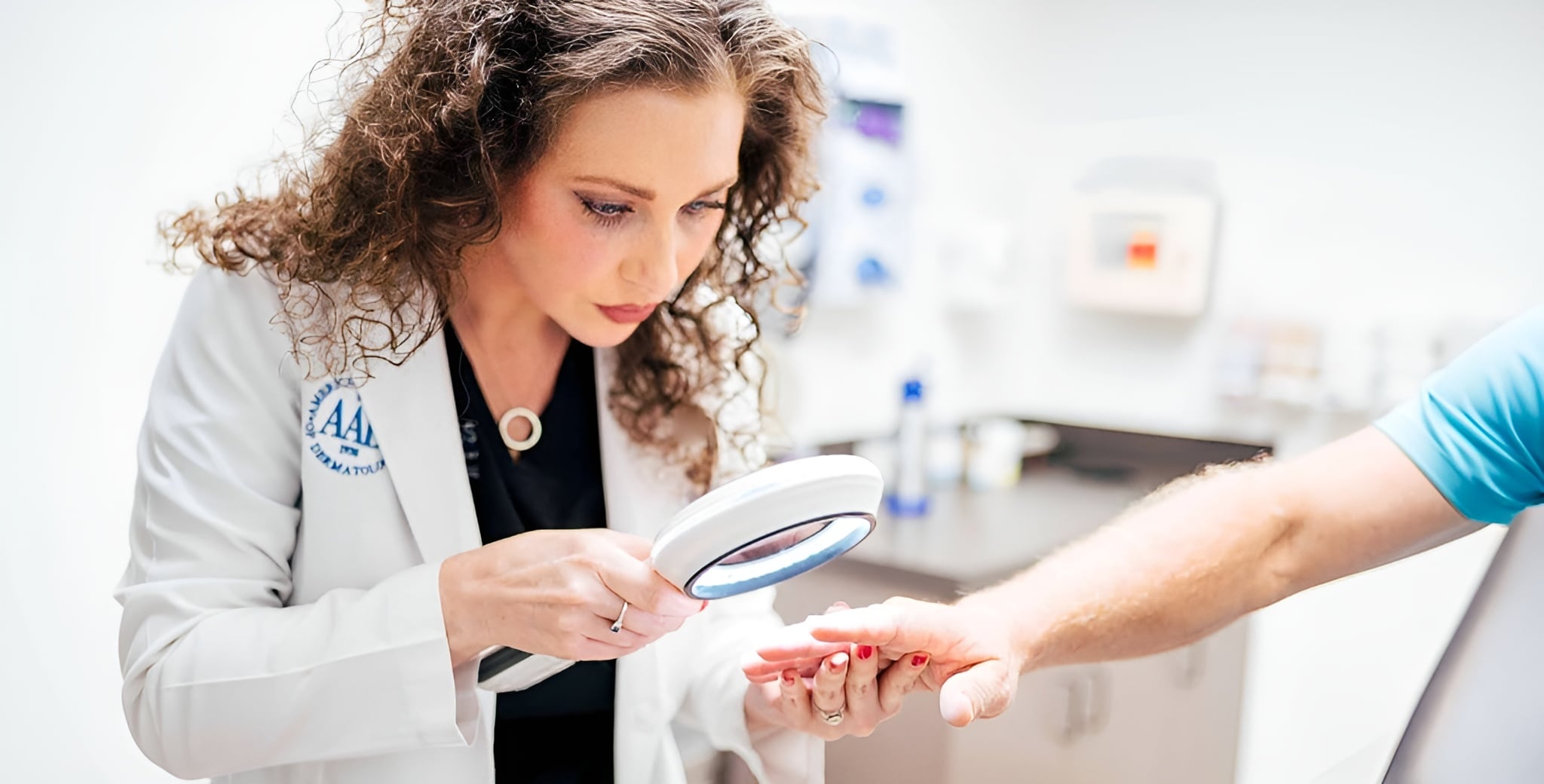
Board-certified dermatologists are specially trained to diagnose and provide customized treatments.
Scars & Keloids FAQ
Clinical answers from our board-certified dermatologists.
What is the main difference between a keloid and a hypertrophic scar?
Can a scar be completely removed?
Why does my scar itch or hurt?
Is it safe to surgically cut out a keloid?
Accepted insurance providers