205-995-5575  250 Inverness Center Dr, Birmingham, AL 35242

Dark Spots (Hyperpigmentation)

PIH is the dark spots that remain after an inflammatory skin condition, like acne or eczema, has healed.
  • 50% of patients

    with acne will experience some form of Post-Inflammatory Hyperpigmentation (PIH)

  • 5 million Americans

    are affected by melasma , a hormonal form of hyperpigmentation.

  • 3rd most frequent reason

    patients seek dermatological care worldwide

  • 80% of visible "age spots"

    on the face and hands are the direct result of cumulative, unprotected UV exposure

UNDERSTANDING Dark Spots (Hyperpigmentation)

The Science of Even Tone: Beyond the Surface of Dark Spots

For many patients in Birmingham and Hoover, hyperpigmentation is a source of daily frustration that often feels like a permanent “staining” of the skin. Whether you are dealing with symmetrical melasma patches, sun-induced age spots, or the dark marks left behind by past acne (PIH), uneven skin tone is more than just a surface concern—it is a complex biological response to inflammation, hormones, and UV exposure. At Inverness Dermatology, we move beyond generic “brightening” claims to provide a clinical path to a clear, radiant complexion.

The Anatomy of Pigmentation

Clinically, hyperpigmentation occurs when melanocytes—the pigment-producing cells in your epidermis—become hyperactive. This is a disorder of the melanogenesis cycle, often driven by the enzyme Tyrosinase. When triggered by UV radiation or hormonal shifts, these cells overproduce melanin, which is then transferred to the surrounding skin cells (keratinocytes). Depending on whether this pigment is deposited in the Epidermis (superficial) or the Dermis (deep), different medical interventions are required to successfully fragment and remove the discoloration.

Targeted Pigment Protocols at Inverness Dermatology

We categorize Pigmentary Disorders (ICD-10: L81.4) by their underlying pathology to ensure the most effective medical intervention.

Our team focuses on Safe, Sustainable Clearance. Treatment plans are dynamic, structured to break down existing pigment clusters while simultaneously “quieting” the melanocytes to prevent rebound darkening. A critical pillar of our trust promise is Integrity Preservation. We prioritize calibrated, physician-led care to ensure that treating one spot doesn’t lead to irritation or post-inflammatory darkening elsewhere, protecting the long-term health of your skin.

How Treatment Works

Our approach focuses on Tyrosinase Inhibition and Cellular Turnover. We utilize medical-grade topicals to regulate the production of new pigment at the source. For persistent cases, we incorporate Advanced Energy Devices (such as CO2 or Q-switched lasers) or specialized Medical-Grade Peels to lift existing pigment from the dermal architecture. By combining these with rigorous clinical-grade photoprotection, we neutralize the biological triggers of hyperpigmentation and restore a uniform, healthy skin tone from the inside out.

CLINICAL DETAILS

A Breakdown of Dark Spots (Hyperpigmentation)

  • Melasma

    Primarily triggered by hormonal fluctuations (estrogen/progesterone) combined with UV exposure. PIH occurs deeper in the skin's architecture than superficial sun damage, often requiring tyrosinase inhibitors to "quiet" the melanocytes before resurfacing.

  • Post-Inflammatory Hyperpigmentation (PIH)

    A biological "staining" left behind after the skin has been injured or inflamed (e.g., acne, eczema, or psoriasis). PIH occurs deeper in the skin's architecture than superficial sun damage, often requiring tyrosinase inhibitors to "quiet" the melanocytes before resurfacing.

  • Solar Lentigines (Sun Spots / "Age" Spots)

    Localized proliferation of melanocytes caused by chronic, cumulative UV radiation. These are permanent DNA changes in the skin cells. While benign, they are the "Gold Standard" indication for CO2 or Q-switched laser treatments.

  • Seborrheic Keratosis (SK)

    A benign overgrowth of epidermal cells; the cause is largely genetic and age-related rather than purely UV-driven. This is a structural growth, not just a pigment change. Lasers meant for "spots" may not be effective; these often require cryotherapy or curettage (scraping).

EVIDENCE-BASED CARE

Our Treatment Approach

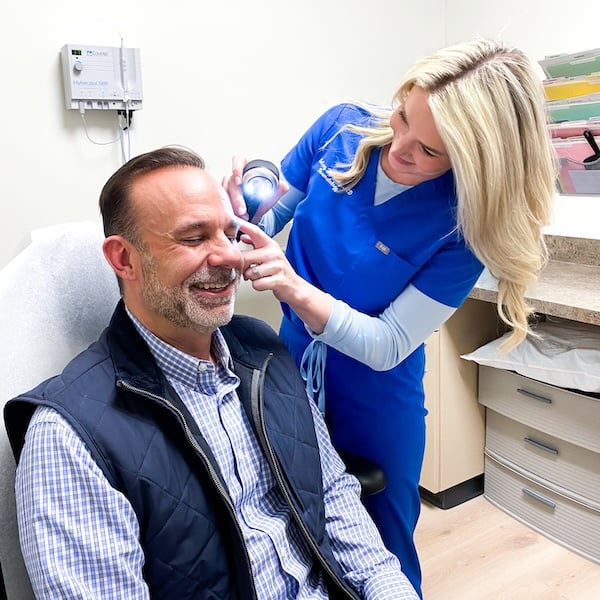
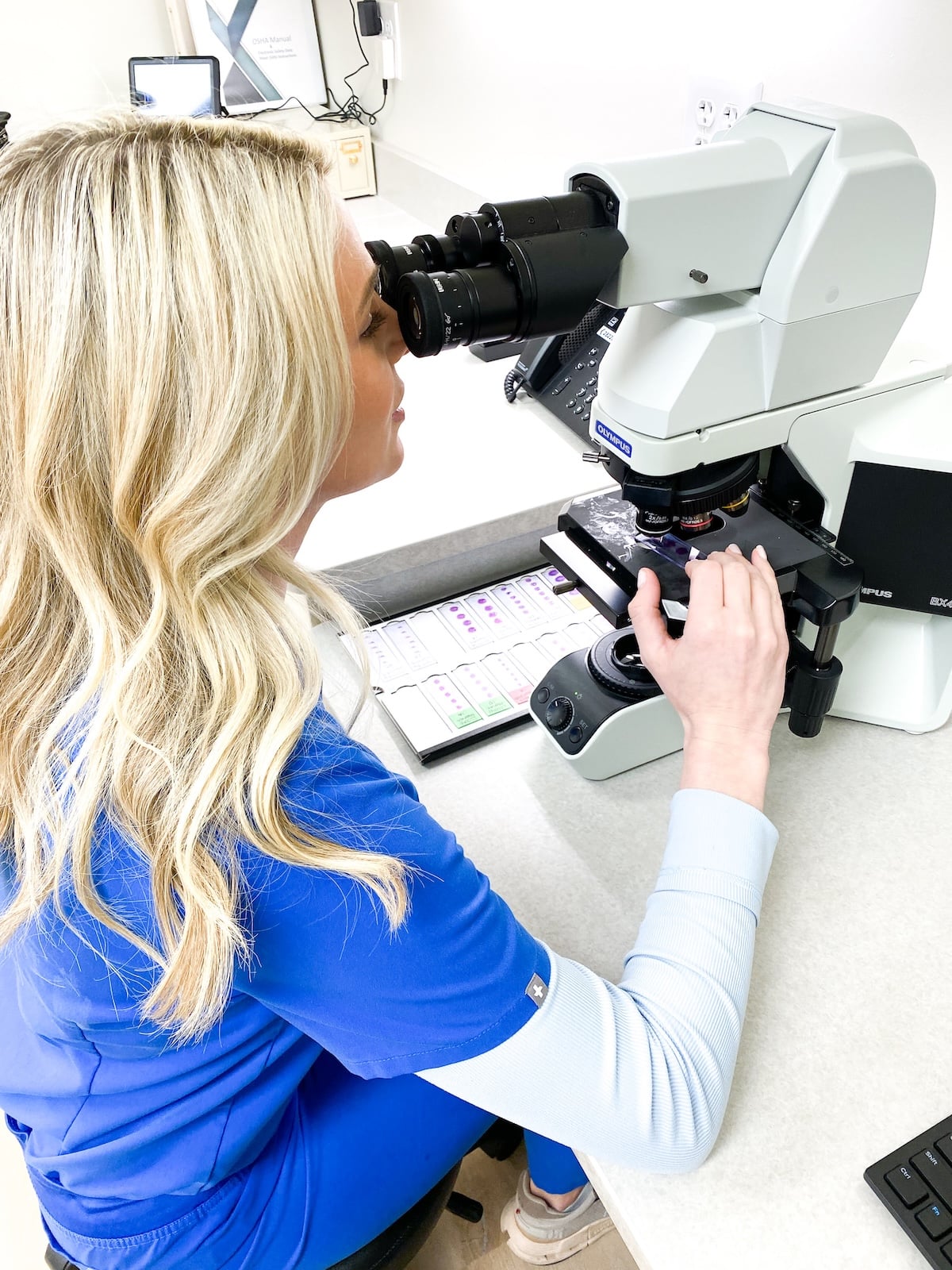
Board-certified dermatologists are specially trained to diagnose and provide customized treatments.

Dark Spots (Hyperpigmentation) FAQ

Clinical answers from our board-certified dermatologists.

Why do my dark spots keep coming back after treatment?

Pigment has “cellular memory.” Even if a spot is cleared at the surface, the underlying melanocytes (pigment cells) can remain overactive. If you don’t address the biological trigger—usually UV exposure or heat—the spots will return. At Inverness, we combine corrective treatments with medical-grade Tyrosinase Inhibitors to “quiet” the pigment-producing engine, ensuring long-term clearance rather than a temporary fix.

Can I use the same laser for Melasma and Sun Spots?

No, and this is a critical safety distinction. Solar Lentigines (sun spots) often respond well to high-energy, targeted lasers like CO2 or Q-switched devices. However, Melasma is heat-sensitive; aggressive lasers can actually trigger a defensive pigment response, making the patches darker. We use a “low and slow” approach for Melasma, often utilizing specialized chemical peels or non-thermal topicals to protect the skin’s integrity.

Is hyperpigmentation permanent?

The Reassurance Layer: Most forms of hyperpigmentation are treatable, but the timeline depends on the depth of the pigment. Epidermal pigment (surface-level) often clears within weeks to months with the right clinical protocol. Dermal pigment (deep-seated) requires more intensive medical intervention and patience. Our goal is to provide an accurate diagnosis first, so we can set a realistic and safe timeline for your restoration.

How does my skin tone affect my treatment options?

Your Fitzpatrick Skin Type (the biological response of your skin to UV) is the most important factor in treatment selection. For patients with deeper skin tones, the risk of Post-Inflammatory Hyperpigmentation (PIH) is much higher. We specialize in “color-blind” clinical protocols—treatments that are safe and effective for all ethnicities—prioritizing the prevention of secondary darkening while we clear the original spots.

Accepted insurance providers

 :
 :
 :
 :
 :
 :
 :
 :