Moles
Inverness Dermatology’s board-certified dermatologists carefully evaluate moles, monitor changes over time, and provide preventive skin care guidance to support long-term skin health and early detection when needed.
1 in 5
Americans develop skin cancer
Annual
Skin exams recommended
98%
Melanoma survival if caught early
Dermoscopy
Gold-standard evaluation tool
UNDERSTANDING MOLES
Proactive Protection: Professional Mole Surveillance
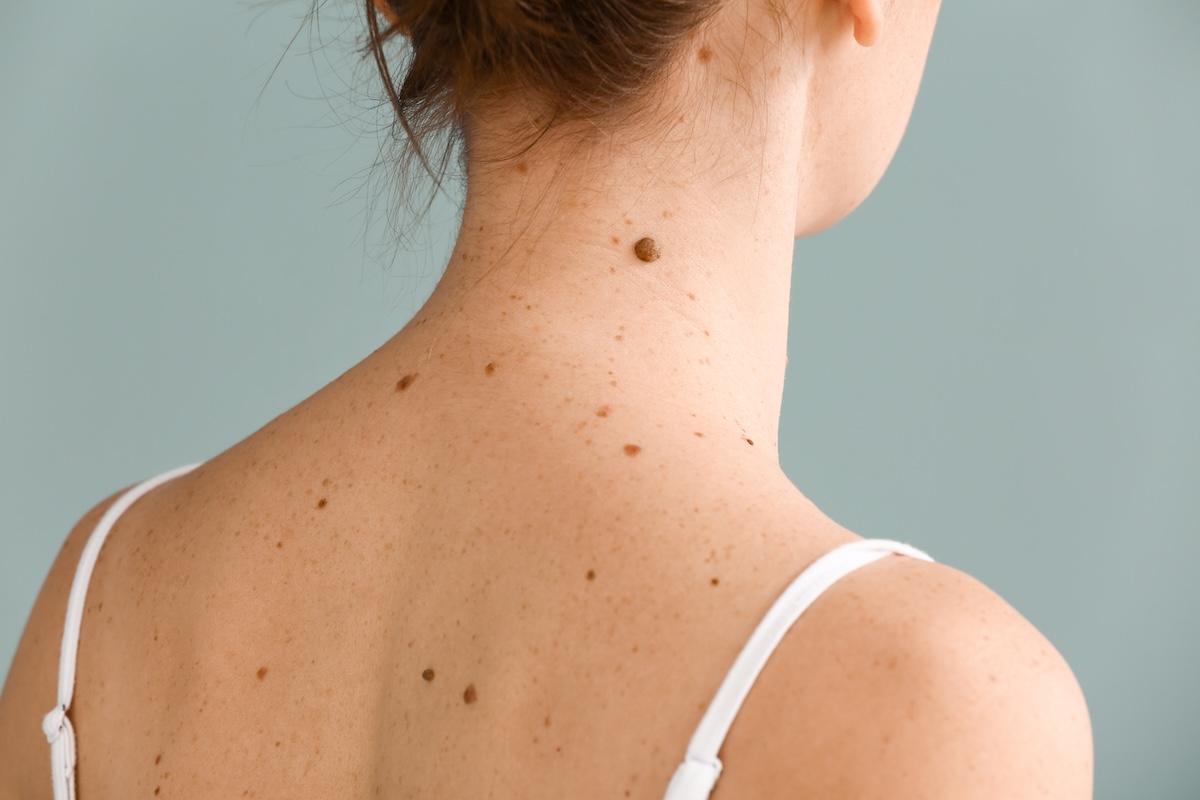
Everyone has them—small spots, “beauty marks,” or moles that have been there since childhood. However, for residents in Birmingham and Hoover who spend time in the sun, it can be difficult to know which spots are harmless and which require a closer look. If you have a mole that has changed in shape, color, or size, it is your skin’s way of asking for a professional evaluation. At Inverness Dermatology, we believe that a “mole check” is one of the most important appointments you can make for your long-term health.
What Makes a Mole “Atypical”?
Clinically known as a Melanocytic Nevus, a mole is simply a cluster of pigment-producing cells. While most are benign, some develop “atypical” features—irregular borders or variegated colors—that put them in the category of Dysplastic Nevi. These aren’t necessarily cancerous, but they serve as important markers that require professional monitoring to ensure they do not evolve into something more serious.
Advanced Nevus Surveillance
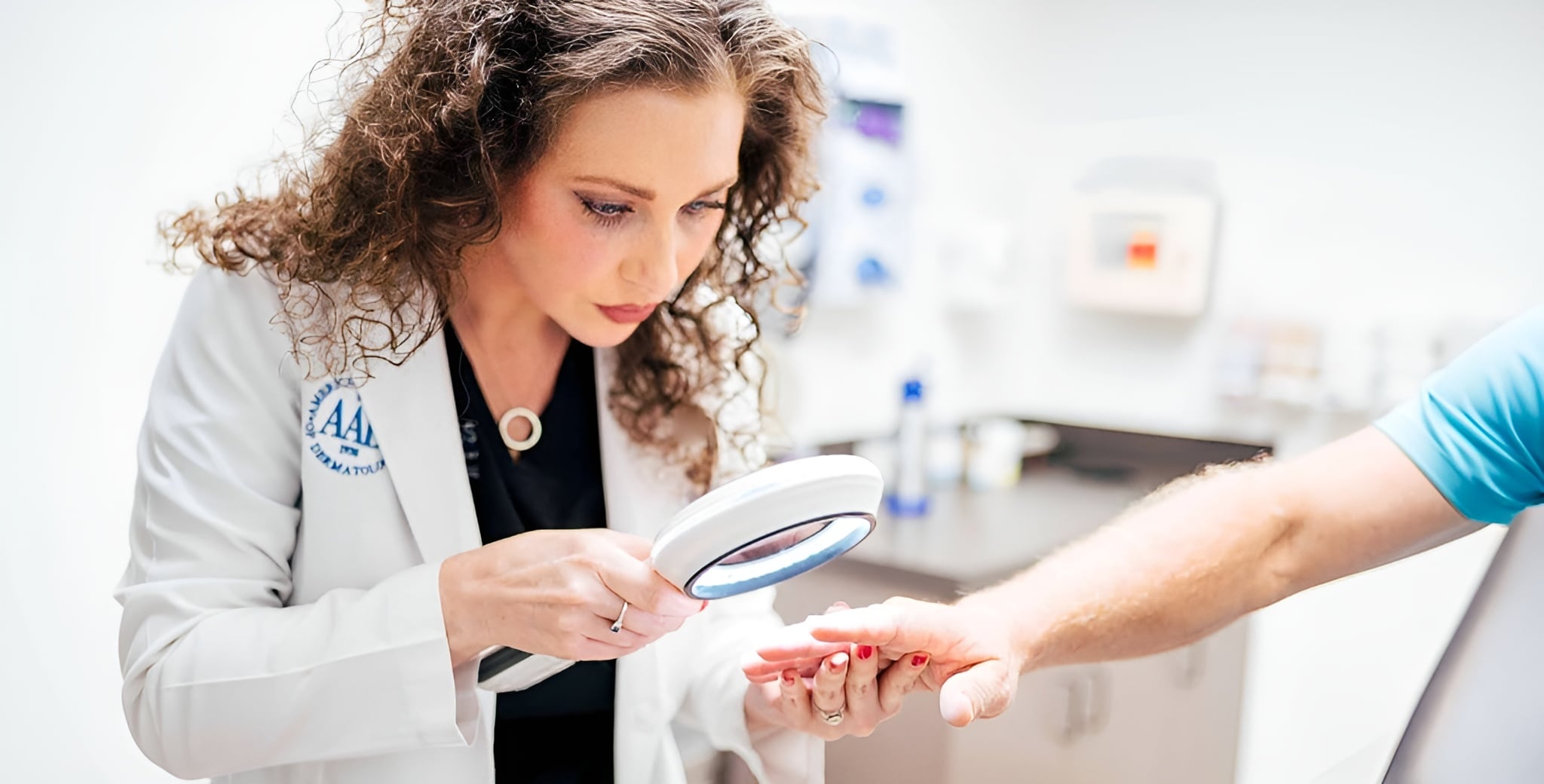
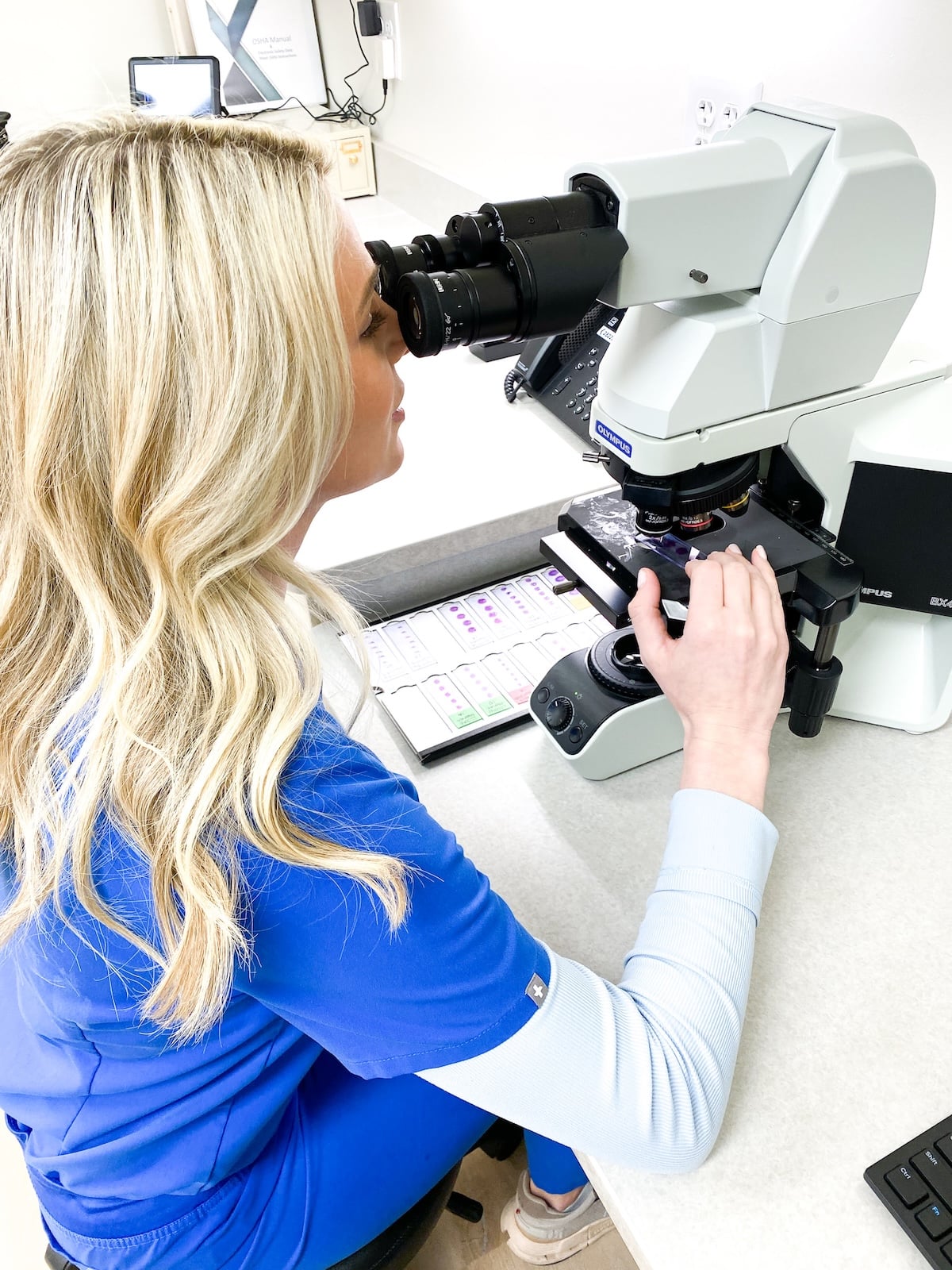
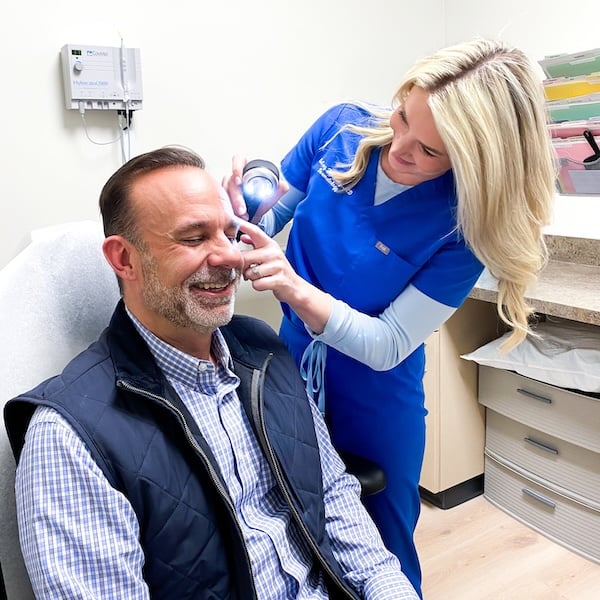
Our diagnostic protocol at Inverness Dermatology for Moles (ICD-10: D22.x) utilizes high-resolution Dermoscopy. This allows us to look beneath the surface of the skin to analyze the pigment architecture that the naked eye cannot see.
Why Professional Evaluation Matters
While many moles are benign, subtle changes are not always easy to assess on your own. Board-certified dermatologists are trained to identify concerning features early and determine whether monitoring, biopsy, or removal is appropriate. Early evaluation supports accurate diagnosis and long-term skin health.
CLINICAL DETAILS
A Breakdown of Moles
Common Mole (Nevus)
Small, round, uniform brown lesion — usually benign. Most adults have 10–40 moles.
Dysplastic Nevus
Atypical mole with irregular borders and uneven color. Elevated melanoma risk — requires monitoring.
Congenital Nevus
Present at birth. Large congenital nevi carry a higher lifetime melanoma risk.
Blue Nevus
Blue-gray color from deep dermal melanocytes. Usually benign but requires dermoscopy.
Spitz Nevus
Pink-red raised lesion common in children — can mimic melanoma. Biopsy often required.
Seborrheic Keratosis
Common benign waxy “stuck-on” growth often mistaken for a mole. Not melanocytic.
EVIDENCE-BASED CARE
Our Treatment Approach
Board-certified dermatologists are specially trained to diagnose and provide customized treatments.
Moles FAQ
Clinical answers from our board-certified dermatologists.
Are most moles harmless?
When should I be concerned about a mole?
Do I need a skin cancer screening for a changing mole?
Can moles be removed even if they’re not dangerous?
How often should moles be checked by a dermatologist?
Accepted insurance providers